





Company News


2026/10/29
Every morning, you unlock your phone with your fingerprint, scroll through short videos for a few minutes, and reply to a few WeChat messages. It all seems so natural that few people stop to think: how exactly is the chip that makes your phone "think" manufactured?
01 A "Micro-City" Under Your Fingernail
If you place a chip under a microscope, you will discover an incredible world—on a silicon wafer the size of a fingernail, tens of billions of transistors are densely packed, with connecting wires a thousandth the thickness of a human hair.
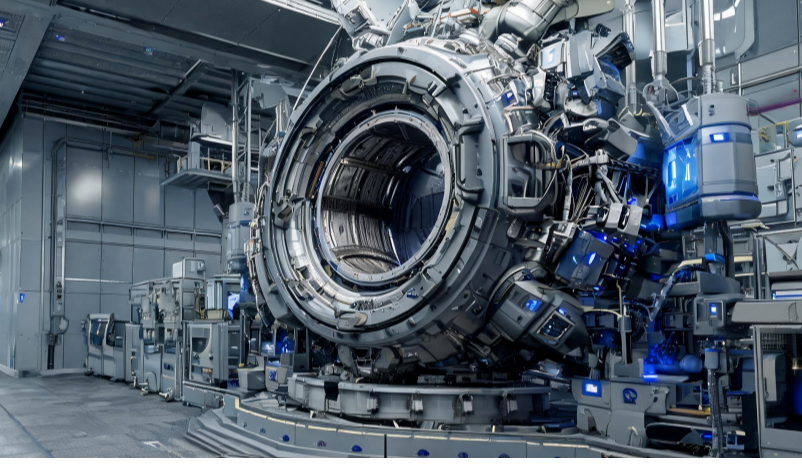
To "draw" circuits on such a tiny scale, lithography machines alone are not enough. A lithography machine is responsible for "printing" the circuit patterns, but the equipment that actually "etches" these patterns into the silicon is another machine—the etching machine.
To use an analogy: if a lithography machine is the pencil used to "sketch the lines," then an etching machine is the carving knife used to "make the cuts." Without etching machines, the patterns on a chip would forever remain a "blueprint" and never become actual circuits.
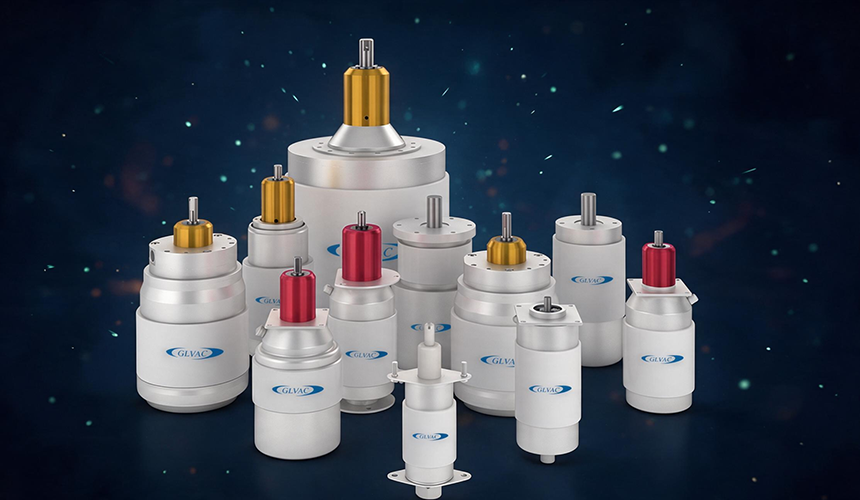
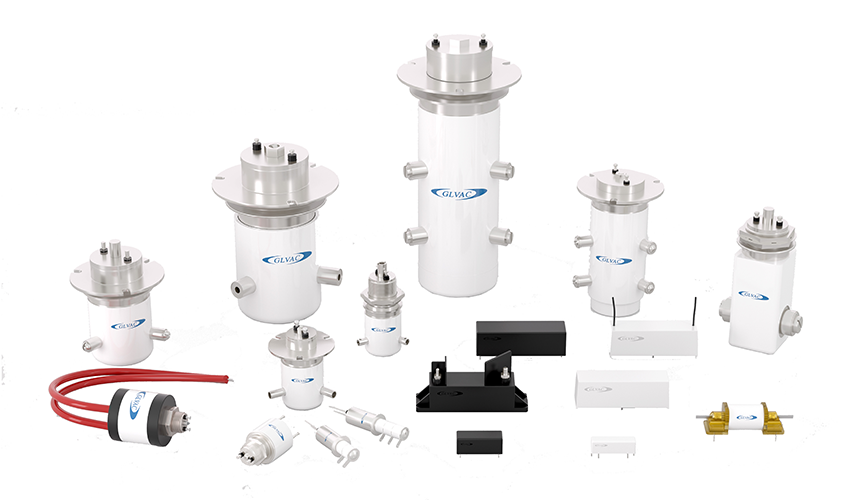
And today, we are going to talk about an inconspicuous yet crucial component inside the etching machine—the vacuum capacitor.

02 The "Plasma Magic" in Etching Machines
The way an etching machine works can be likened to an everyday scenario. Imagine you are in the kitchen, using a high-pressure water gun to wash a grease-covered plate. The water stream precisely strikes the grease, stripping it off the surface. An etching machine does something very similar—except it uses plasma instead of water. Plasma, simply put, is a type of "charged gas."
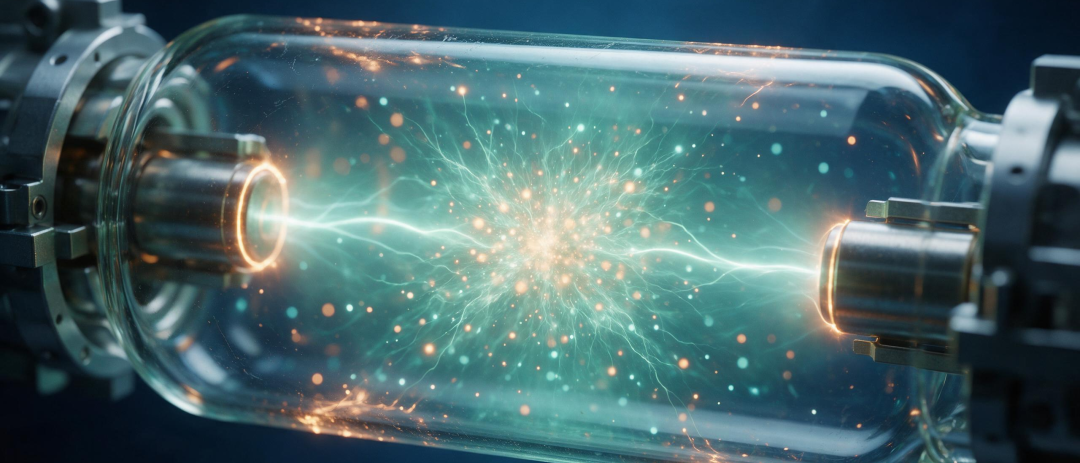
An etching machine fills a vacuum chamber with specific gases and then applies a high-frequency electric field, "breaking apart" the gas molecules into charged particles. These high-energy particles act like countless microscopic bullets, bombarding the silicon wafer's surface to "bite away" unwanted materials and leave behind the desired circuit patterns.
This process sounds simple, but executing it is extremely difficult.
Q: Why?
A: Because plasma is highly "temperamental." It is like a hot-tempered artist; with the slightest dissatisfaction, it will etch areas that shouldn't be etched, or etch to uneven depths. Yet, the precision required in chip manufacturing is such that—the margin of error cannot exceed the thickness of a few atomic layers.
03 The "Tuner" That Controls the Plasma
This brings us to today's main subject: the vacuum capacitor.
Inside an etching machine, there is a crucial component called the "matcher." Its task is to achieve "impedance matching" between the high-frequency power supply and the plasma chamber.
"Impedance matching" is a technical term, but you can understand it this way: imagine you are tuning an old-fashioned radio. When you turn the knob and hit the exact frequency, the sound suddenly becomes clear and loud; turn it slightly off, and the sound becomes hoarse and muffled. Impedance matching is the process of "tuning the station"—and the vacuum capacitors inside the matcher act as that precise tuning knob.
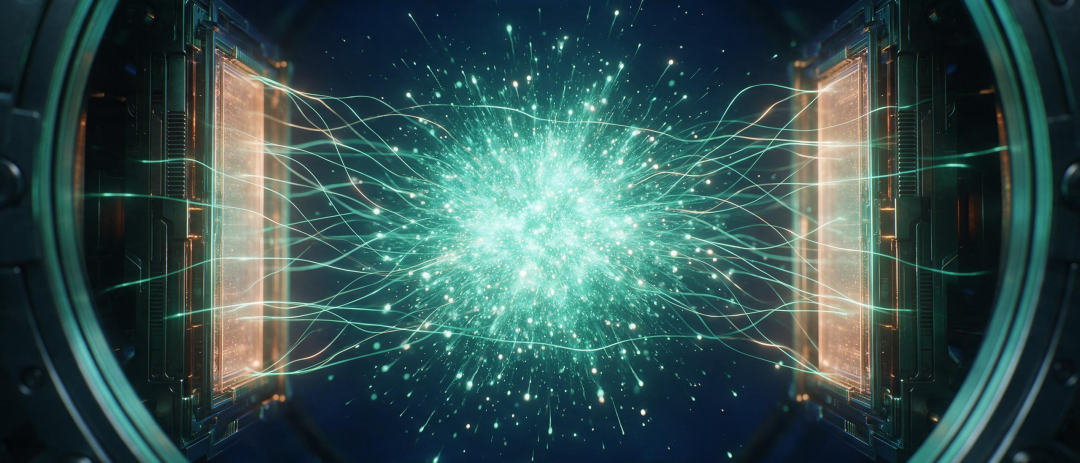
Specifically, by rapidly adjusting the capacitance value, vacuum capacitors alter the impedance parameters in the circuit, allowing high-frequency electrical energy to be injected into the plasma with maximum efficiency. Good matching means stable plasma and high etching precision; poor matching means a fluctuating plasma, resulting in defective chips.
An etching machine requires multiple vacuum capacitors working in coordination, each "playing its part" across different frequency bands to jointly maintain plasma stability.
04 A "Vacuum Shield" for Extreme Conditions
Q: Won't ordinary capacitors do? Why must they be vacuum capacitors?
A: Under the extreme operating conditions inside an etching machine, ordinary capacitors simply cannot hold up.
Etching machines operate with high-frequency power of several kilowatts and voltages easily reaching thousands of volts. In such an environment, the dielectric material of ordinary capacitors would suffer dielectric breakdown and burn out from overheating, or their capacitance values would drift due to temperature changes—and once the capacitance drifts, the matching goes haywire, and the etching precision is ruined.
Vacuum capacitors are different. Their secret lies right in their name: using a vacuum as the dielectric. A vacuum is the ultimate insulator, offering extremely high voltage tolerance, minimal dielectric loss, and very low heat generation. Furthermore, they use ceramics as the insulating sealant, which is high-temperature resistant, high-voltage resistant, and chemically stable. They are also compact and have low losses; for the same voltage rating, a vacuum capacitor is much smaller than an air capacitor.
Simply put, vacuum capacitors are born specifically for "extreme conditions"—they are unafraid of high voltage, high frequency, or high temperatures, and their performance is terrifyingly stable.
A high-quality vacuum capacitor can operate continuously inside an etching machine for years without any significant parameter drift.
Over the past few years, the spotlight has largely been on lithography machines, which is certainly understandable. However, chip manufacturing is an extremely complex systems engineering project that requires the coordinated effort of hundreds of processes and thousands of types of equipment and materials. If any single link gets stuck, the entire supply chain is affected. Vacuum capacitors represent one of these "small but critical" links.
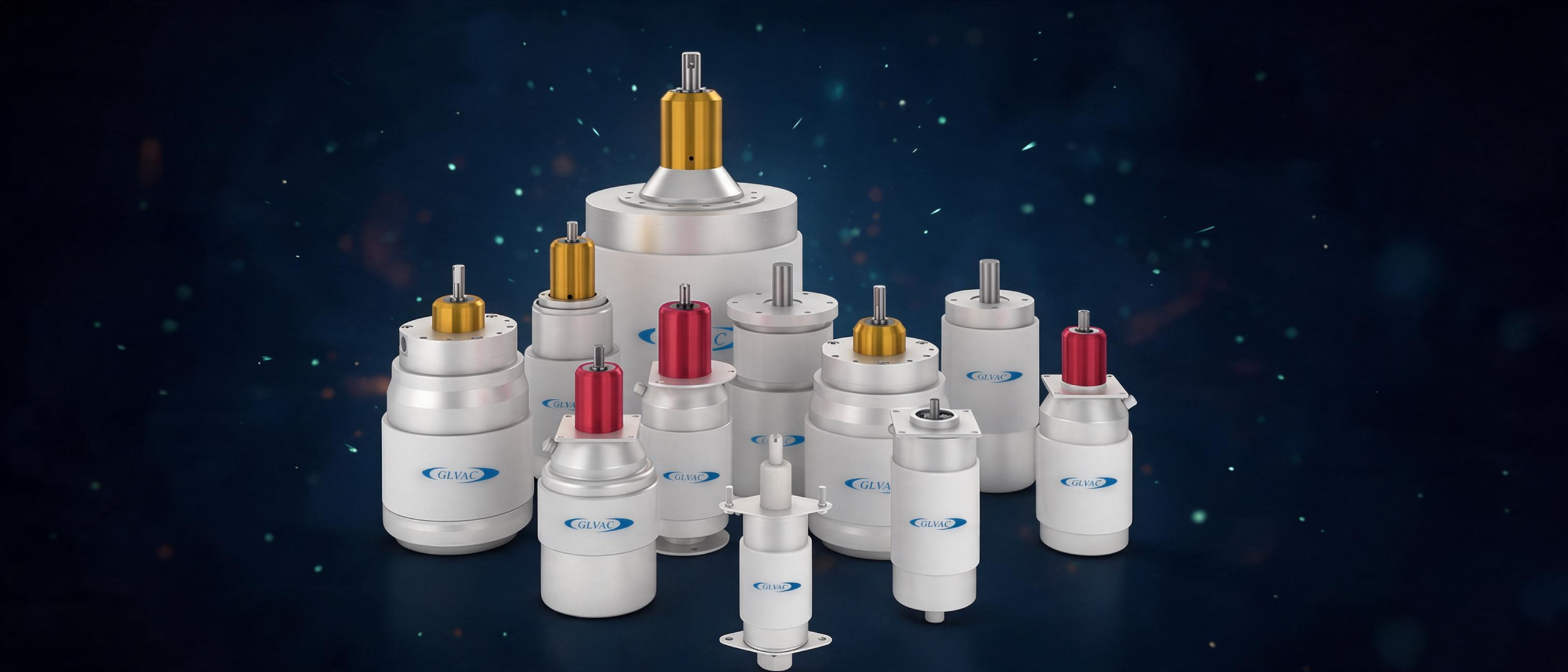
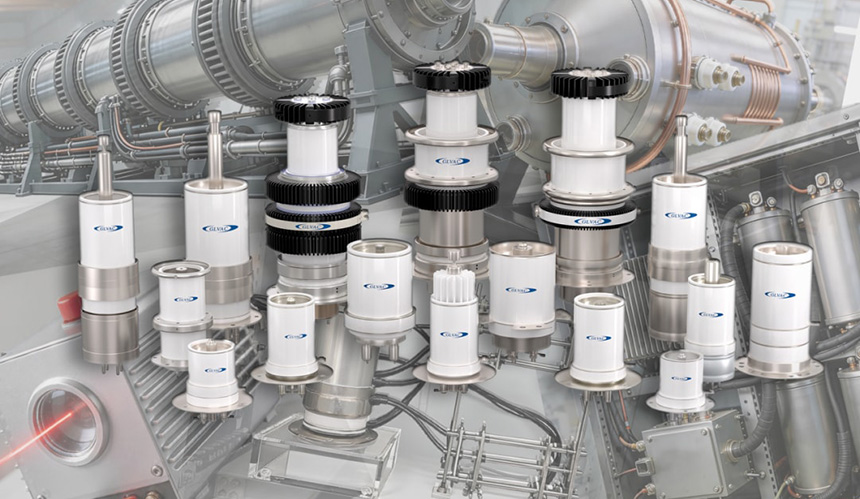
Through continuous breakthroughs in this field, GLVAC has manufactured vacuum capacitors that now cover core semiconductor processes, including plasma cleaning, photoresist stripping (ashing), vapor deposition, etching, thin-film deposition (PVD/CVD/ALD), and MPCVD.


Latest News
-


Company News
2026/11/16
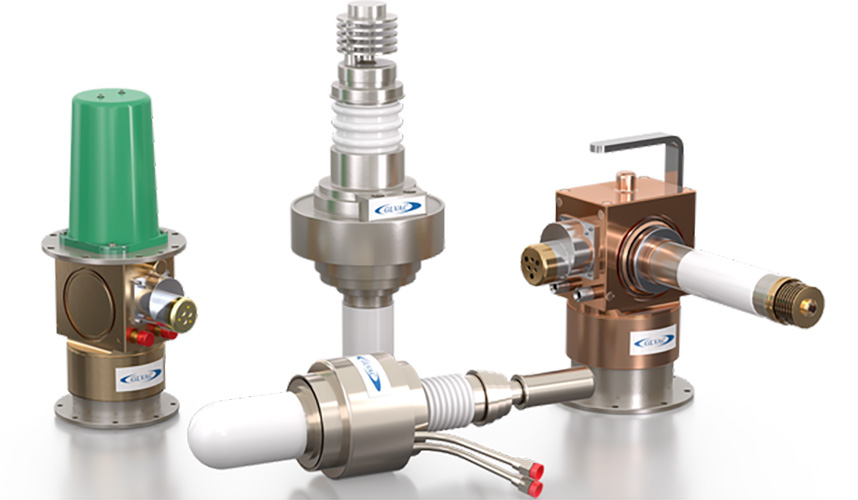
Can Lab-Grown Diamonds Really “Grow”? The Microwave Source Behind It Is a Big DealSpending a few thousand yuan to buy a diamond “grown” in a lab is gradually becoming a new consumption trend among young people. But many people are curious: how exactly do these sparkling lab-grown diamonds take shape in the laboratory?


More Details
-

Company News
2026/11/06
How Much Electricity Does a Wind Turbine Generate per Revolution? The Secret Lies in the "Switch"When you drive past a wind farm and see those massive white blades turning slowly, have you ever wondered: exactly how much electricity can they generate in a single rotation?
More Details
-
Company News
2026/10/29
How Are Chips Etched? A Look at the "Tuner" Inside Etching MachinesEvery morning, you unlock your phone with your fingerprint, scroll through short videos for a few minutes, and reply to a few WeChat messages.
More Details
-
Company News
2026/10/26
AI Empowerment · Intelligent Manufacturing for the Future | GLVAC Industrial AI Platform Launch Event
More Details
-

Company News
2026/10/12
Vacuum Relays: The Invisible Switch
More Details
-
Company News
2026/09/30
Vacuum Capacitors | The "Invisible Dispatcher" in the High-Frequency WorldOpen up a piece of high-end manufacturing equipment, and you will find radio frequency (RF) power supplies, matching networks, and control systems densely packed together.
More Details
-
Company News
2026/09/17
Vacuum Relay | Guarding High-Voltage Switching with Ceramic Vacuum SealingIn the electrical world, a switch seems simple—just two actions: making and breaking a circuit.
More Details
-
Company News
2026/08/19
Hydrogen Thyratron | A "Super Switch" Guarding Lives in NanosecondsWhen you step into a hospital's radiotherapy room, a medical linear accelerator is delivering a "precision strike" against cancer.
More Details
-
Company News
2026/08/12
High-Power Industrial Magnetrons | The Invisible Energy Engine Quietly Transforming Your Daily LifeMost people's understanding of "microwaves" begins with the household microwave oven. Once turned on, the turntable spins, and breakfast is heated in moments.
More Details
-

Company News
2026/07/30
High-Voltage Vacuum Relays | Cross-Industry Empowerment, Safeguarding Daily LifeProducts such as vacuum relays and DC contactors have long stepped out of factory workshops and become closely connected to our daily lives.
More Details
-

Company News
2026/07/20
High-Power Magnetrons | Empowering Diverse Industries with "Hardcore Tech"From high-temperature smelting to precision manufacturing, high-power magnetrons serve as the "energy engines" for industrial scenarios.
More Details
-
Company News
2026/06/15
Hydrogen Thyratrons: The Core Switches for High-Peak Pulsed EnergyA hydrogen thyratron is a high-power gas discharge device that serves as a core, high-performance pulsed switch with a switching power reaching up to 10 GW.
More Details
-
Company News
2026/05/20
High-Voltage Relays: The Silent Switches of the High-Voltage WorldIn applications involving high voltage and high current, there is an unassuming yet crucial electronic component—the vacuum relay.
More Details
-
Company News
2026/04/02
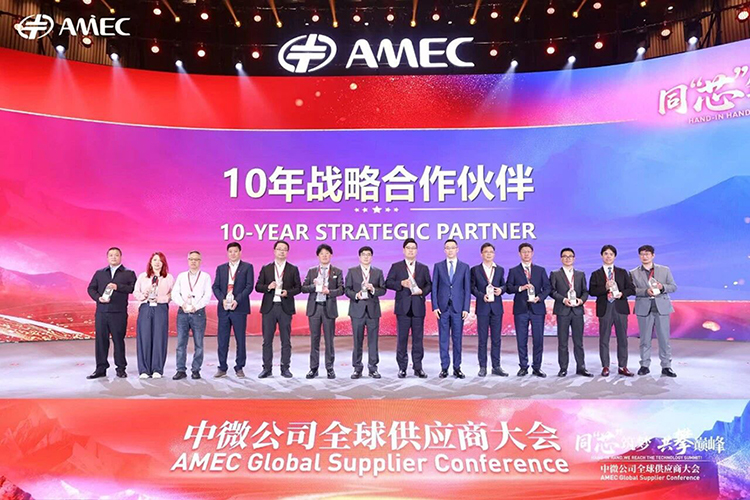
GLVAC was honored with the "10-Year Strategic Partner Award" by AMECOn March 28, the Global Supplier Conference of AMEC (Advanced Micro-Fabrication Equipment Inc. China) was grandly held in Shanghai.
More Details
-

Company News
2026/03/20
GLVAC Research Institute published an article in IEEE Grade-A journalRecently, the team of Li Yongming, Wang Shaozhe, and Zou Jianjun from Kunshan GLVAC Industrial Technology Research Institute of High Power Devices
More Details
-

Company News
2026/03/09
Invitation to SEMICON CHINA 2026Invitation to SEMICON CHINA 2026
More Details
-
Company News
2026/02/09
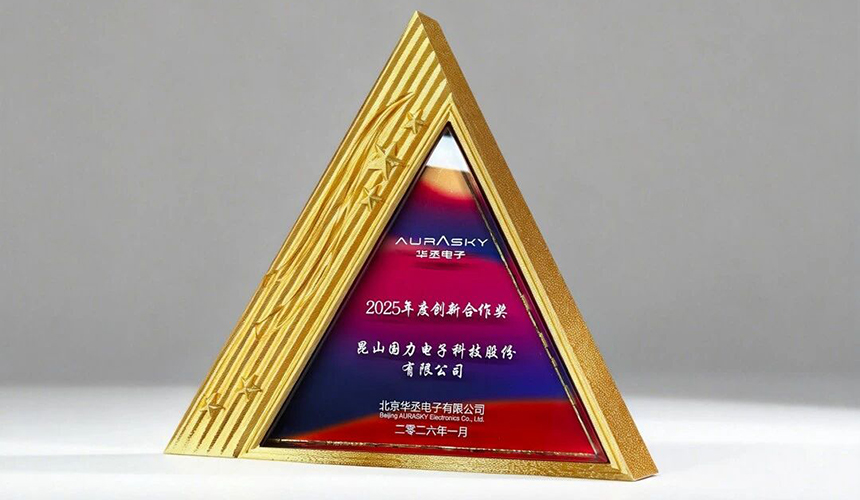
GLVAC Honored with NAURA's "2025 Annual Innovation Partnership Award"Recently, representatives from Beijing Huacheng Electronics Co., Ltd. — a subsidiary of NAURA — visited GLVAC Beijing office in person to present the company with the "2025 Annual Innovation Partnership Award."
More Details
-
Company News
2026/01/31
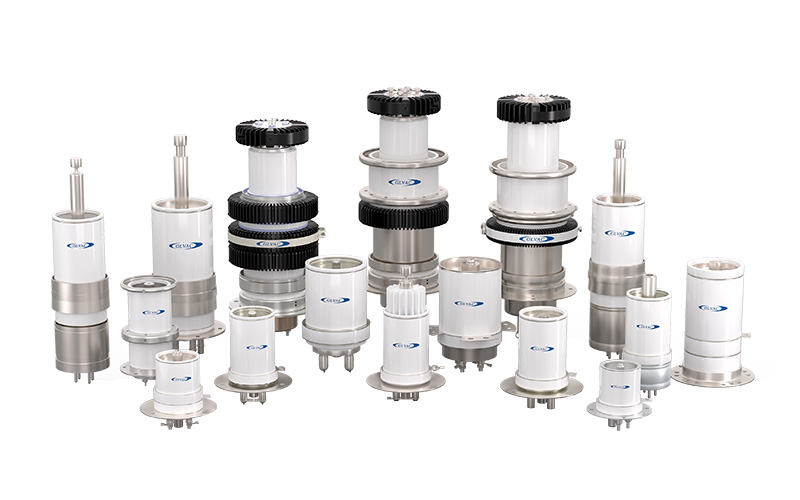
Three Core Vacuum Electronic Devices: Building the Energy Control System for Controlled Nuclear FusionNuclear fusion is fundamentally a reaction in which light atomic nuclei combine under extreme temperatures and pressures to form heavier nuclei, releasing vast amounts of energy.
More Details
-
Company News
2025/12/19
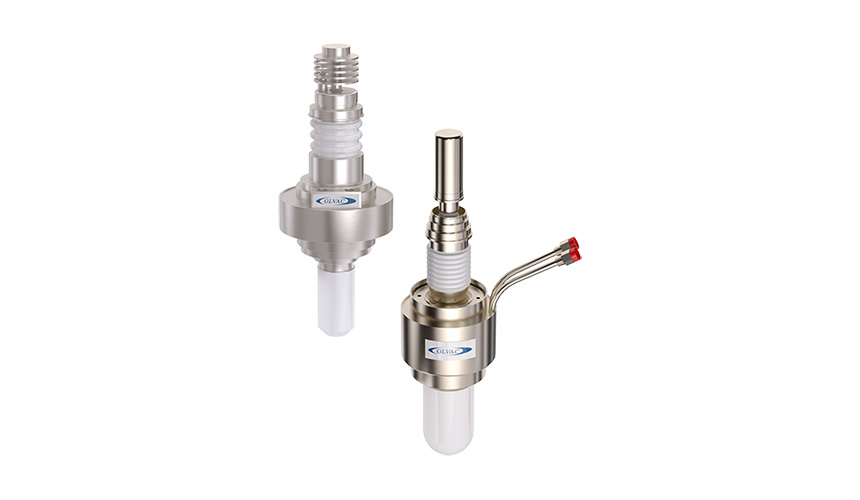
CW Magnetron: A Steady Source of Microwave Energy for Industry and Scientific ResearchIn the evolution of microwave technology, the magnetron has played a pivotal role. Among its various types, the continuous wave (CW) magnetron stands out as a crucial component due to its ability to deliver stable, continuous microwave energy over extended periods.
More Details
-
Company News
2025/12/17
Breaking Through Energy Boundaries: A Comprehensive Overview of High-Power Magnetron Applications Across IndustriesAs a core device capable of efficiently generating microwave energy, the magnetron has continuously shattered boundaries in energy applications since its inception.
More Details
-
Company News
2025/12/08
High-Power Magnetrons Empower Microwave Sources to Unlock New Diamond ApplicationsDiamond, the hardest material in nature, is rapidly expanding into high-end fields such as semiconductor thermal management, power electronics, quantum technologies, and optical devices.
More Details
-
Company News
2025/10/22
Vacuum Interrupter: the core component that ensures reliable operation of the power gridIn the power equipment system, the vacuum Interrupter, as the core component of the vacuum switch, plays an important role in connecting, carrying, and breaking current.
More Details
-
Company News
2025/10/14
Maintenance and use of GLVAC vacuum capacitorsGLVAC ceramic vacuum capacitors have been widely used in modern high-end manufacturing equipment due to their unique performance advantages.
More Details
-

Company News
2025/08/08
GLVAC endows eVTOL with new powerCurrently, the low-altitude economy is experiencing vigorous development, and low-altitude passenger transport is undoubtedly one of its most valuable applications.
More Details
-
Company News
2025/06/12
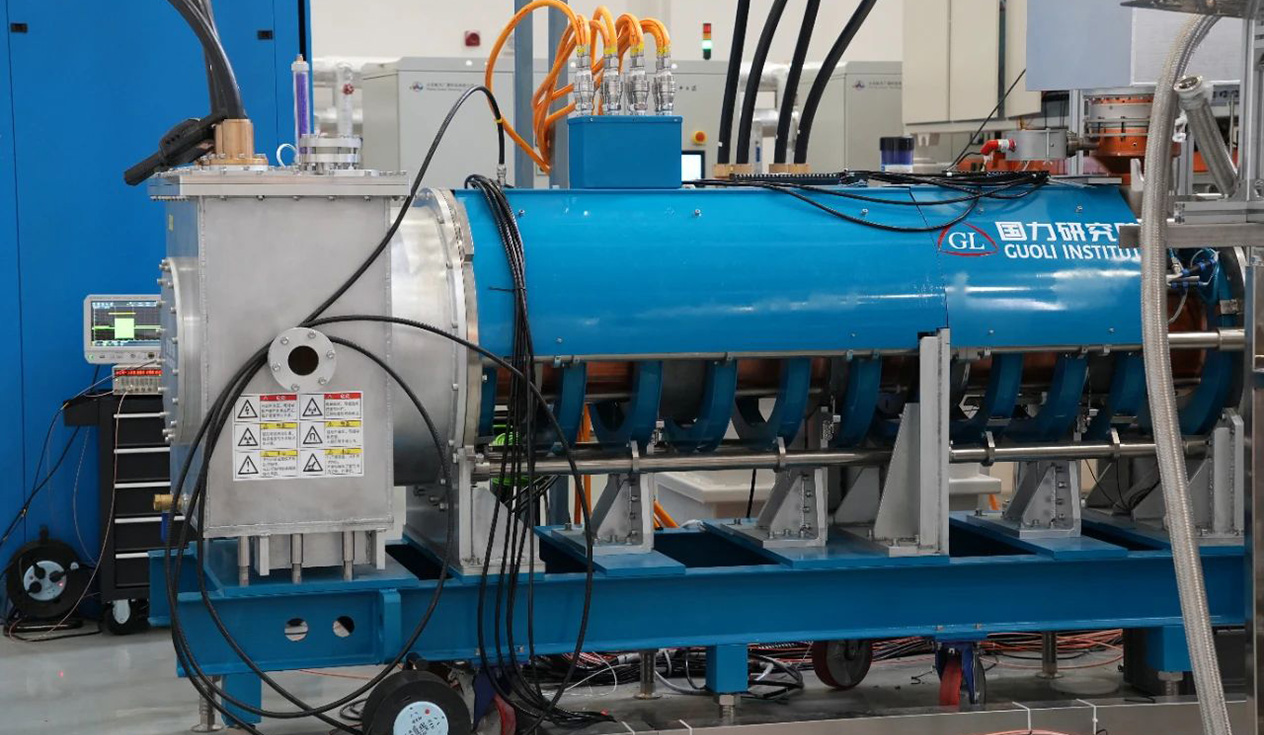
The world's first P-band high-power metamaterial klystron has been successfully developedOn June 7, 2025, led by the accelerator RF team of the China Spallation Neutron Source (CSNS), GLVAC in collaboration with the research group of Professor Zhaoyun Duan from the School of Electronic Science and Engineering at University of Electronic Science and Technology of China
More Details
-
Company News
2025/04/11
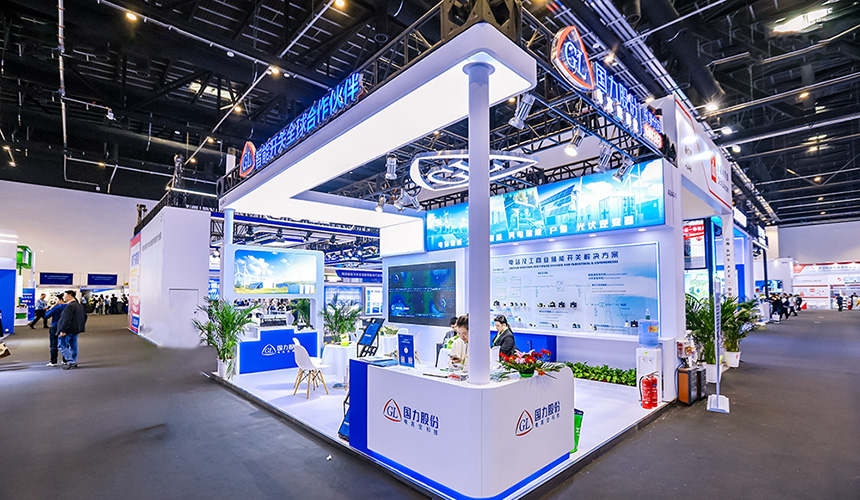
Ruipu Electric showcases its energy storage switch solution at the 13th ESIEOn April 10, 2025, the 13th Energy Storage International Conference And Expo(ESIE2025) grandly kicked off at the Capital International Exhibition Center of China. This exhibition has attracted top energy storage companies from home and abroad to participate, exploring the role of core technologies and system integration in promoting industrial upgr
More Details
-
Company News
2024/11/14
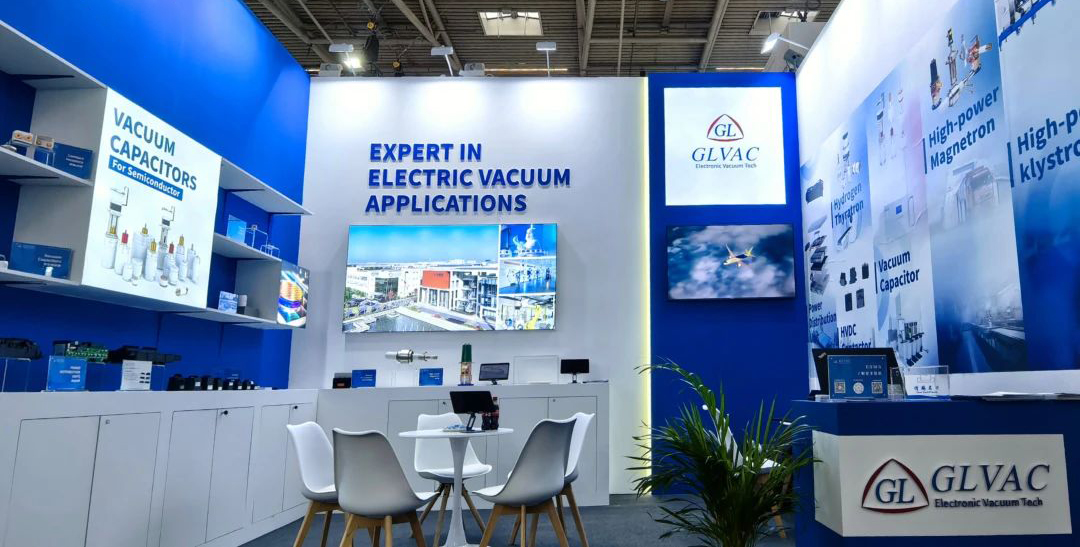
Electronica 2024On November 12th, the highly influential event in the global electronics industry, electronica 2024, grandly opened at the Munich Exhibition Center. GLVAC showcased its star exhibits such as semiconductors, new energy, energy storage, and scientific devices at this exhibition.
More Details
-

Company News
2024/11/07
Guoli Yuantong signed a cooperation agreement with Indian listed company Sterling ToolsOn November 6, 2024, Guoli Yuantong New Energy Technology Co., Ltd. (hereinafter referred to as "Guoli Yuantong") and Sterling Tools Ltd. (hereinafter referred to as "Sterling") held a signing ceremony in Kunshan, Jiangsu Province.
More Details
-
Company News
2023/12/12
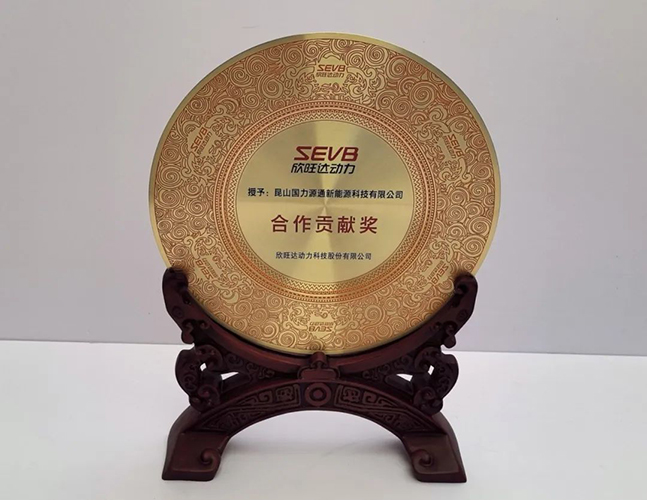
Guoli Yuantong was awarded the 2023 Collaboration Contribution Award by SEVBOn December 9, 2023, Kunshan Guoli Yuantong New Energy Technology Co., Ltd. (referred to as "Guoli Yuantong")
More Details
-

Company News
2023/11/09
Guoli Yuantong Won the "Chinese Heart" 2023 Annual Powertrain Components Gold AwardOn October 27, the 2023 "Chinese Heart" Annual Powertrain Components Evaluation, co-organized by Auto Sports magazine and the School of Automotive Engineering at Shanghai Jiao Tong University, with support from the Government of Gaoyou City, Jiangsu Province, came to a successful conclusion.
More Details
-
Company News
2021/12/31
GLVAC is honored to receive the CATL 2021 Annual Outstanding Supplier AwardAt the moment when the New Year's bells are about to ring, on the last day of 2021, Guoli Yuantong received the most precious New Year’s gift
More Details
-
Company News
2020/03/10
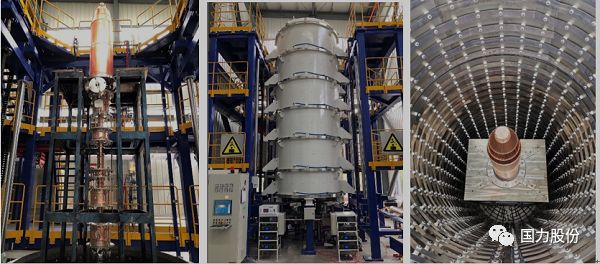
The first prototype of the CEPC 650 MHz klystron successfully completed tests achieving a pulse power of 800 kW and a continuous wave (CW) power of 400 kWOn February 27 and March 7, the first prototype of the 650 MHz klystron for the Circular Electron and Positron Collider (CEPC)
More Details
-

Company News
2018/07/13
NAURA visits GLVACOn July 12, 2018, Mr. Jinrong Zhao, President and CEO of NAURA Technology Group Co., Ltd., came to visit our company, Mr. Jianping Yin, President of Kunshan GuoLi Electronic Technology Co., Ltd., received and accompanied NAURA team, and both parties had a business negotiation.
More Details


Get Professional Solutions
We are looking forward to engaging with you to explore more solutions for electric vacuum devices.


