





Company News


2025/12/19
In the evolution of microwave technology, the magnetron has played a pivotal role. Among its various types, the continuous wave (CW) magnetron stands out as a crucial component due to its ability to deliver stable, continuous microwave energy over extended periods. This unique characteristic makes it indispensable across numerous fields—including semiconductors, industrial manufacturing, healthcare, and food processing. From microwave thawing and drying of food, industrial cracking and sterilization, synthetic diamond production, to microwave therapy devices in medical applications—the CW magnetron is ubiquitous.
01.What Is a Continuous Wave Magnetron?
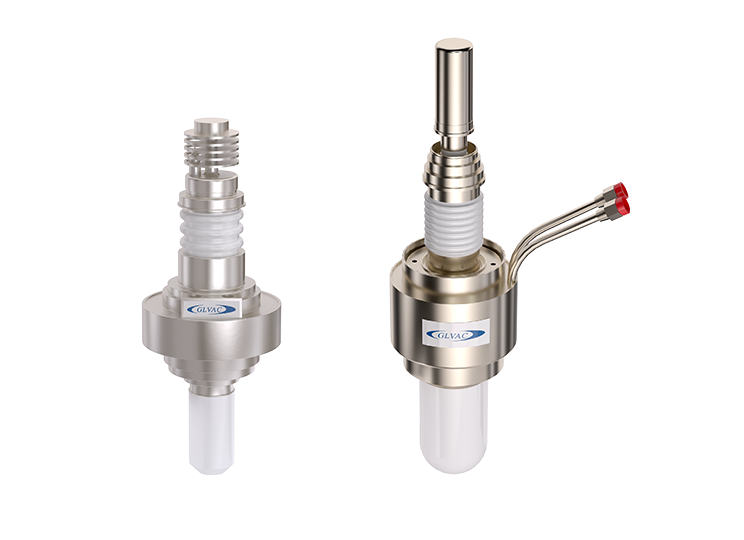
In simple terms, a continuous wave magnetron is an electron vacuum device capable of generating high-power microwave energy continuously and stably over long durations. The term “continuous wave” distinguishes it from “pulsed wave” operation. By applying a steady DC high voltage, electrons inside the device move continuously under the influence of perpendicular electric and magnetic fields, thereby generating microwaves at a constant frequency.
02.Technical Advantages
Continuous Power Output
This is its defining feature, enabling stable microwave power delivery ranging from several hundred watts to tens of kilowatts.
High Efficiency
It exhibits excellent conversion efficiency—typically between 50% and 80%—transforming DC electrical energy into microwave energy with minimal loss, thus reducing operational costs.
Relatively Fixed Frequency
The operating frequency is primarily determined by the physical dimensions of the anode block’s resonant cavities. Consequently, once manufactured, its frequency tuning range is very narrow. Common industrial frequencies are 915 MHz and 2450 MHz, suited for diverse microwave applications.
03.Application Scenarios
Food Thawing and Sterilization
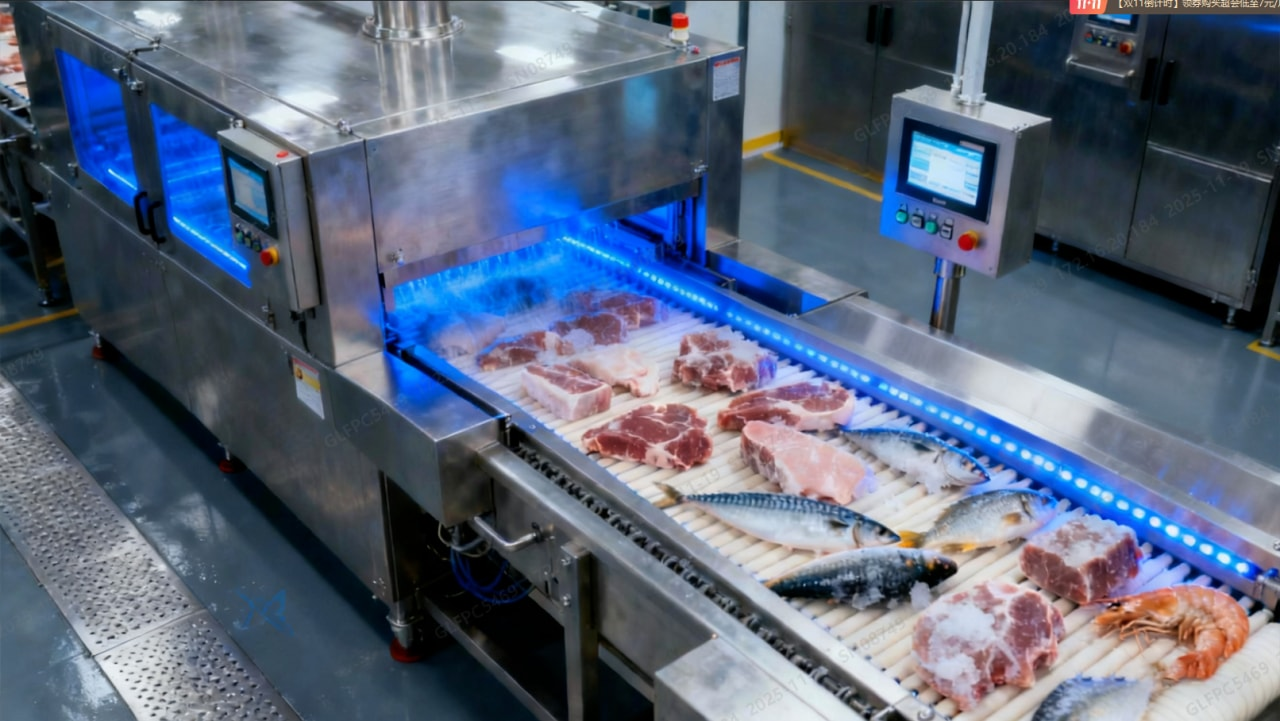
In industrial food processing, microwave thawing and drying represent the most common uses of CW magnetrons. The continuous microwave energy penetrates the surface of frozen food, causing water molecules within to vibrate rapidly. Heat generated through molecular friction enables rapid, uniform heating. The stable output of CW magnetrons ensures efficient and even food processing, making them ideal for large-scale food production and central kitchen operations.
Industrial Cracking, Rubber Desulfurization, Wastewater Treatment, and Metal Smelting
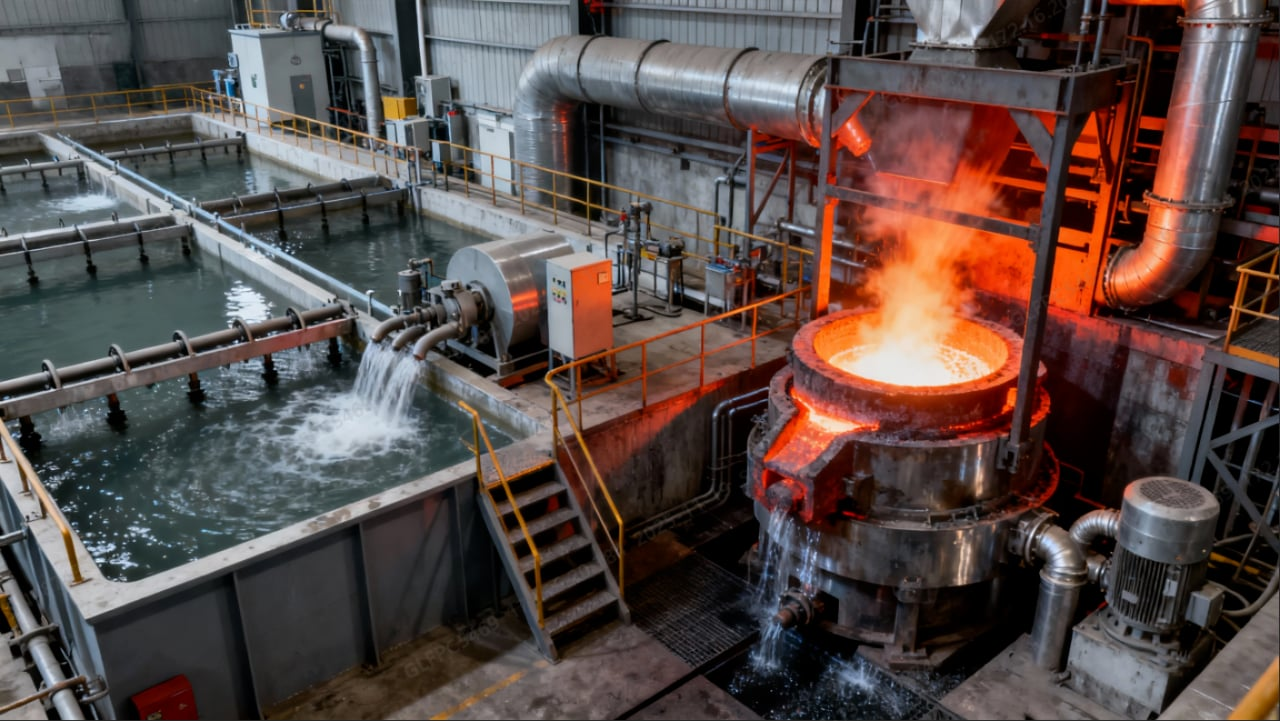
In industrial settings, CW magnetrons are widely employed in high-temperature processing, sterilization, sintering, and cracking. For instance, in the ceramics industry, microwave sintering equipment powered by CW magnetrons enables uniform internal heating of ceramic green bodies, significantly shortening sintering time while enhancing product density and performance. Additionally, CW magnetrons are used in rubber vulcanization, chemical feedstock heating, and metal smelting—driving industrial processes toward greater efficiency and sustainability.
Plasma Applications
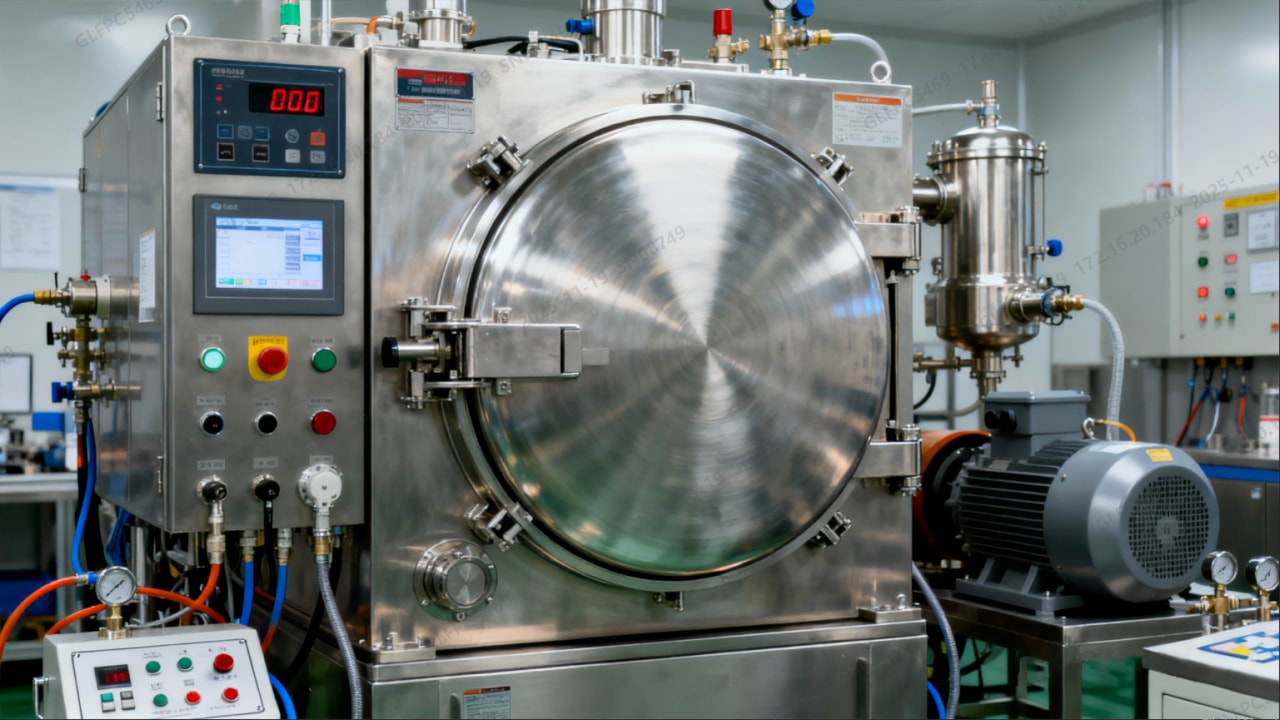
CW magnetrons also find use in plasma generation. In materials science research, microwave plasma generated by CW magnetrons facilitates surface modification and thin-film deposition experiments.
Microwave Medical Applications
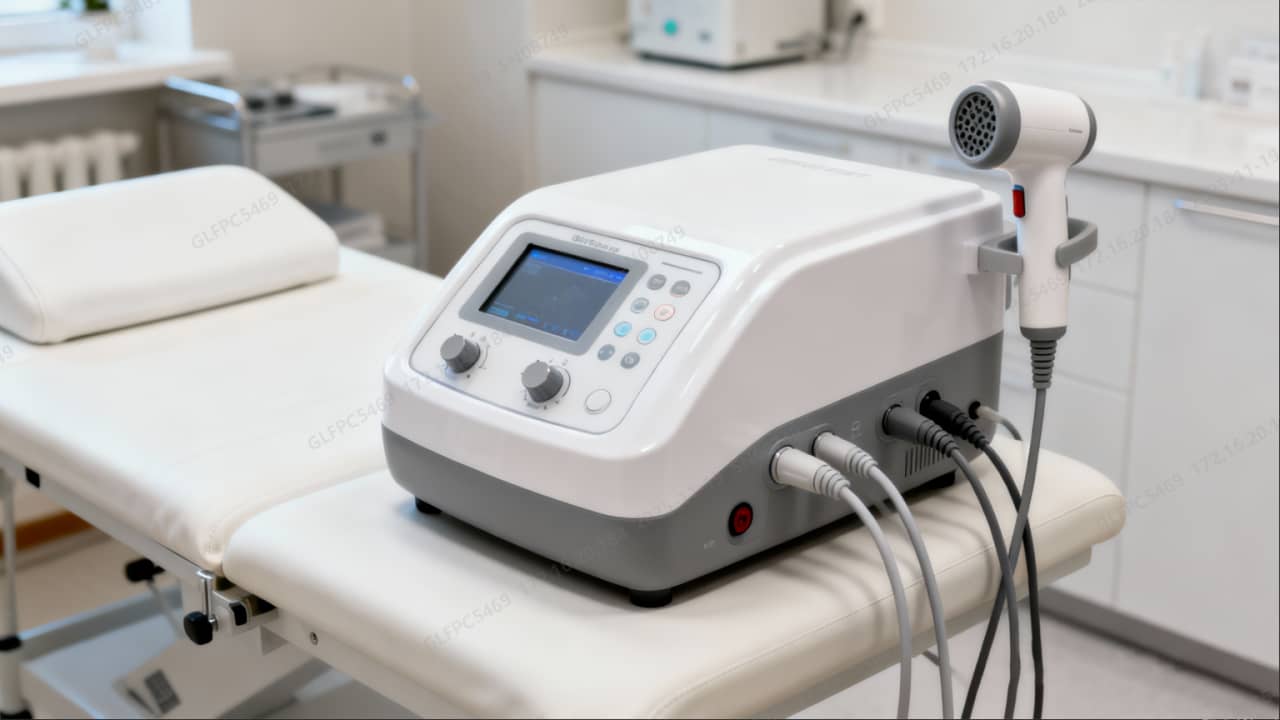
In healthcare, the CW magnetron serves as the core component of microwave therapy devices, primarily used in microwave physiotherapy.
As a mature microwave energy source, the continuous wave magnetron—thanks to its distinctive capability for continuous output—provides robust technical support across food processing, industrial manufacturing, scientific research, and beyond. Its development mirrors the journey of microwave technology from laboratory experimentation to real-world implementation. With ongoing advances in materials science, vacuum technology, and electromagnetic field theory, CW magnetrons are poised to achieve breakthroughs in higher efficiency, smaller size, and longer operational life—thereby opening broader horizons for innovative microwave applications.


Latest News
-


Company News
2026/09/17
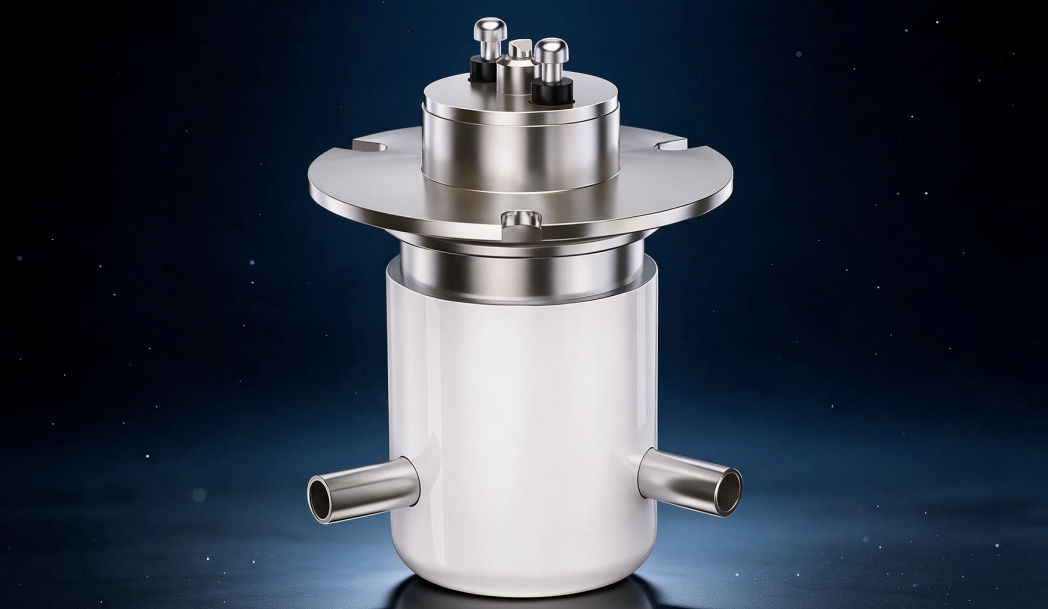
Vacuum Relay | Guarding High-Voltage Switching with Ceramic Vacuum SealingIn the electrical world, a switch seems simple—just two actions: making and breaking a circuit.


More Details
-
Company News
2026/08/17
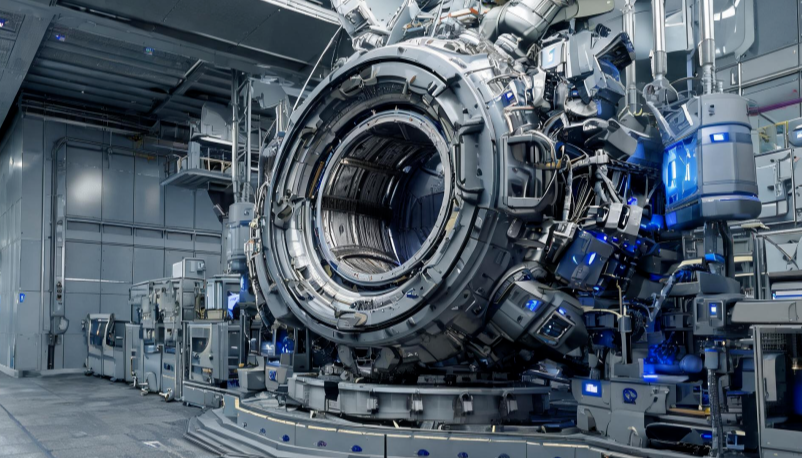
Hydrogen Thyratron | A "Super Switch" Guarding Lives in NanosecondsWhen you step into a hospital's radiotherapy room, a medical linear accelerator is delivering a "precision strike" against cancer.
More Details
-

Company News
2026/07/30
High-Voltage Vacuum Relays | Cross-Industry Empowerment, Safeguarding Daily LifeProducts such as vacuum relays and DC contactors have long stepped out of factory workshops and become closely connected to our daily lives.
More Details
-

Company News
2026/07/20
High-Power Magnetrons | Empowering Diverse Industries with "Hardcore Tech"From high-temperature smelting to precision manufacturing, high-power magnetrons serve as the "energy engines" for industrial scenarios.
More Details
-
Company News
2026/06/15
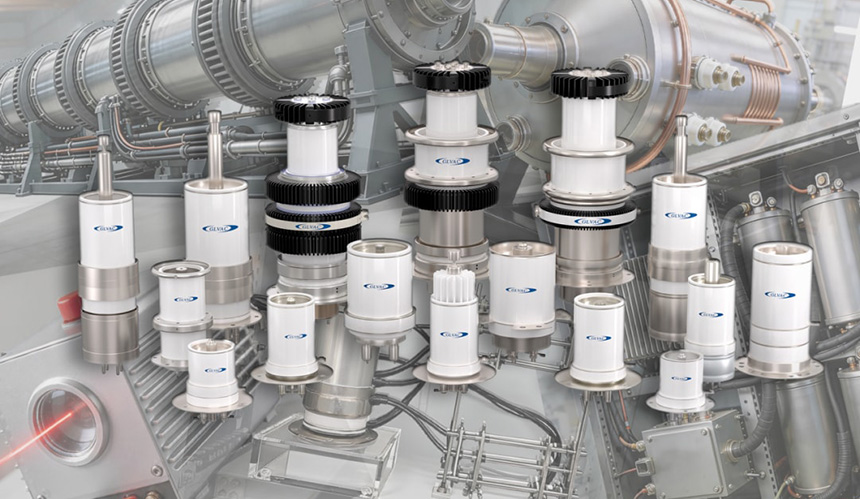
Hydrogen Thyratrons: The Core Switches for High-Peak Pulsed EnergyA hydrogen thyratron is a high-power gas discharge device that serves as a core, high-performance pulsed switch with a switching power reaching up to 10 GW.
More Details
-
Company News
2026/05/20
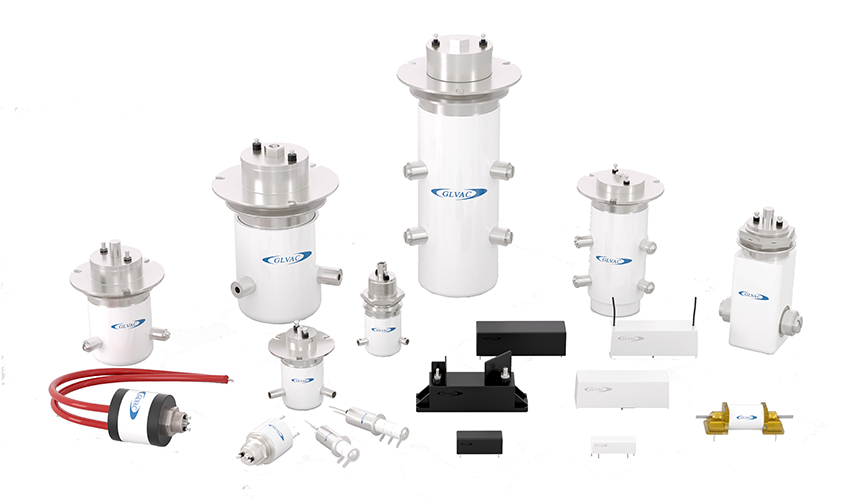
High-Voltage Relays: The Silent Switches of the High-Voltage WorldIn applications involving high voltage and high current, there is an unassuming yet crucial electronic component—the vacuum relay.
More Details
-
Company News
2026/04/02
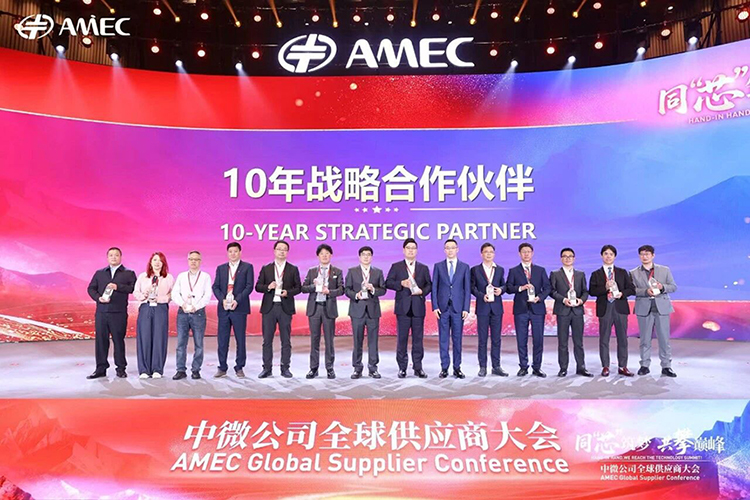
GLVAC was honored with the "10-Year Strategic Partner Award" by AMECOn March 28, the Global Supplier Conference of AMEC (Advanced Micro-Fabrication Equipment Inc. China) was grandly held in Shanghai.
More Details
-
Company News
2026/03/20
GLVAC Research Institute published an article in IEEE Grade-A journalRecently, the team of Li Yongming, Wang Shaozhe, and Zou Jianjun from Kunshan GLVAC Industrial Technology Research Institute of High Power Devices
More Details
-
Company News
2026/03/09
Invitation to SEMICON CHINA 2026Invitation to SEMICON CHINA 2026
More Details
-
Company News
2026/02/09
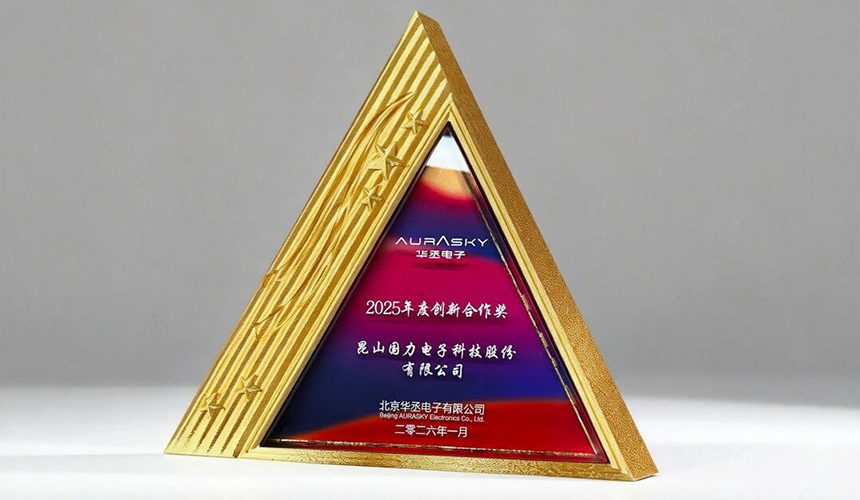
GLVAC Honored with NAURA's "2025 Annual Innovation Partnership Award"Recently, representatives from Beijing Huacheng Electronics Co., Ltd. — a subsidiary of NAURA — visited GLVAC Beijing office in person to present the company with the "2025 Annual Innovation Partnership Award."
More Details
-
Company News
2026/01/31
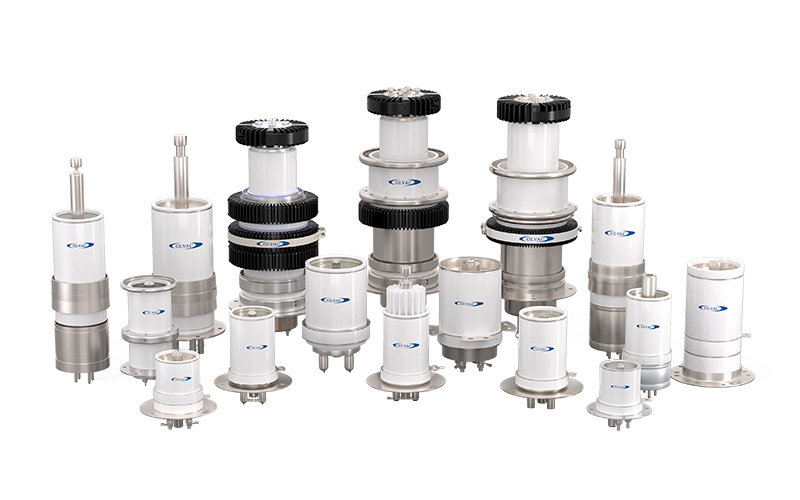
Three Core Vacuum Electronic Devices: Building the Energy Control System for Controlled Nuclear FusionNuclear fusion is fundamentally a reaction in which light atomic nuclei combine under extreme temperatures and pressures to form heavier nuclei, releasing vast amounts of energy.
More Details
-
Company News
2025/12/19
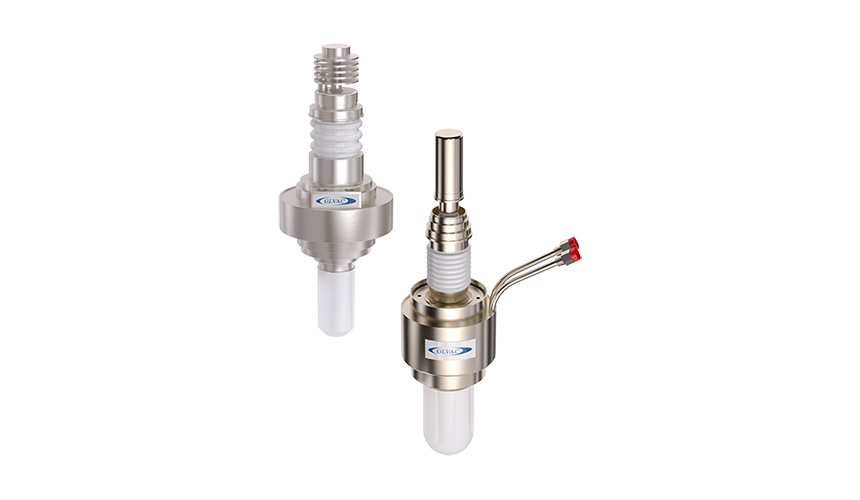
CW Magnetron: A Steady Source of Microwave Energy for Industry and Scientific ResearchIn the evolution of microwave technology, the magnetron has played a pivotal role. Among its various types, the continuous wave (CW) magnetron stands out as a crucial component due to its ability to deliver stable, continuous microwave energy over extended periods.
More Details
-
Company News
2025/12/17
Breaking Through Energy Boundaries: A Comprehensive Overview of High-Power Magnetron Applications Across IndustriesAs a core device capable of efficiently generating microwave energy, the magnetron has continuously shattered boundaries in energy applications since its inception.
More Details
-
Company News
2025/12/08
High-Power Magnetrons Empower Microwave Sources to Unlock New Diamond ApplicationsDiamond, the hardest material in nature, is rapidly expanding into high-end fields such as semiconductor thermal management, power electronics, quantum technologies, and optical devices.
More Details
-
Company News
2025/10/22
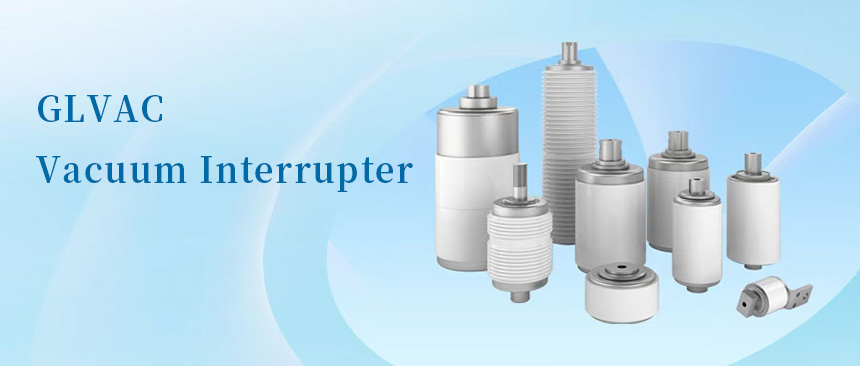
Vacuum Interrupter: the core component that ensures reliable operation of the power gridIn the power equipment system, the vacuum Interrupter, as the core component of the vacuum switch, plays an important role in connecting, carrying, and breaking current.
More Details
-
Company News
2025/10/14
Maintenance and use of GLVAC vacuum capacitorsGLVAC ceramic vacuum capacitors have been widely used in modern high-end manufacturing equipment due to their unique performance advantages.
More Details
-
Company News
2025/08/08
GLVAC endows eVTOL with new powerCurrently, the low-altitude economy is experiencing vigorous development, and low-altitude passenger transport is undoubtedly one of its most valuable applications.
More Details
-
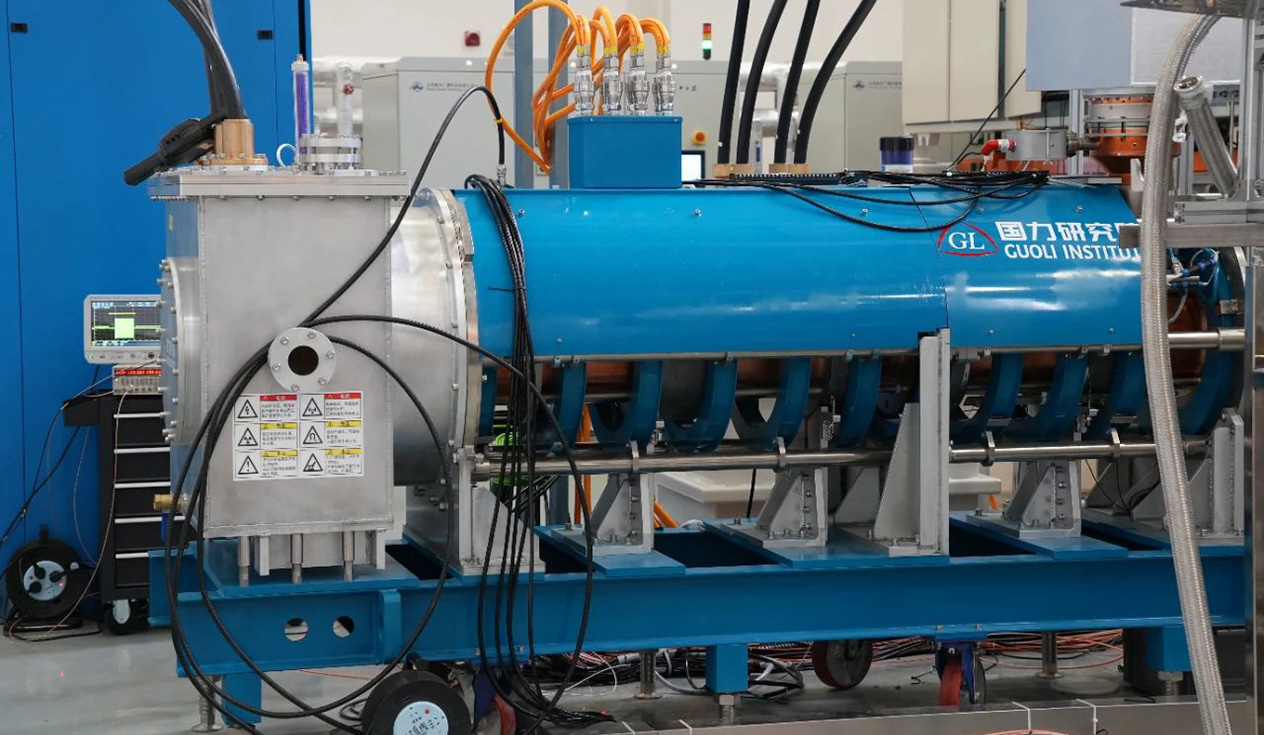
Company News
2025/06/12
The world's first P-band high-power metamaterial klystron has been successfully developedOn June 7, 2025, led by the accelerator RF team of the China Spallation Neutron Source (CSNS), GLVAC in collaboration with the research group of Professor Zhaoyun Duan from the School of Electronic Science and Engineering at University of Electronic Science and Technology of China
More Details
-
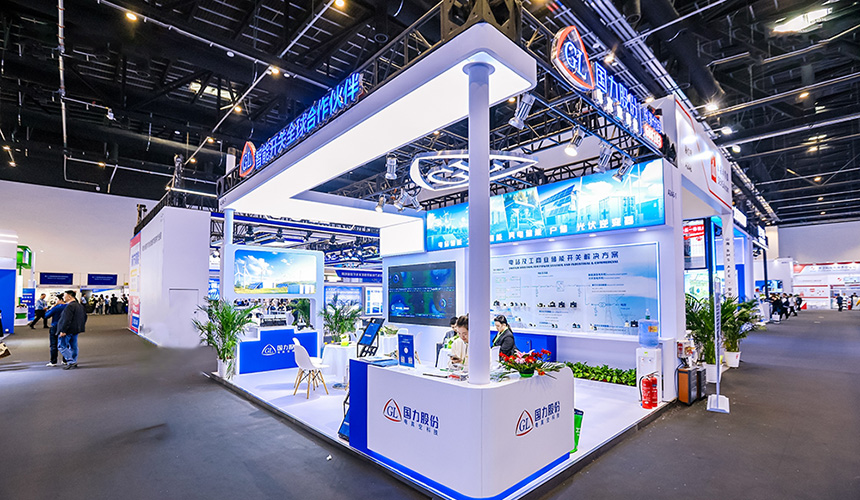
Company News
2025/04/11
Ruipu Electric showcases its energy storage switch solution at the 13th ESIEOn April 10, 2025, the 13th Energy Storage International Conference And Expo(ESIE2025) grandly kicked off at the Capital International Exhibition Center of China. This exhibition has attracted top energy storage companies from home and abroad to participate, exploring the role of core technologies and system integration in promoting industrial upgr
More Details
-
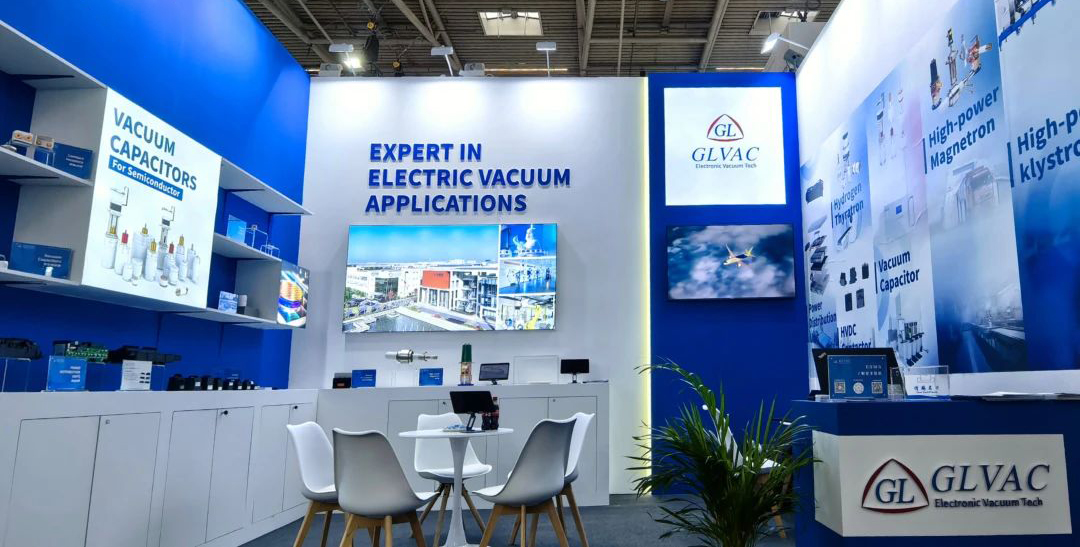
Company News
2024/11/14
Electronica 2024On November 12th, the highly influential event in the global electronics industry, electronica 2024, grandly opened at the Munich Exhibition Center. GLVAC showcased its star exhibits such as semiconductors, new energy, energy storage, and scientific devices at this exhibition.
More Details
-
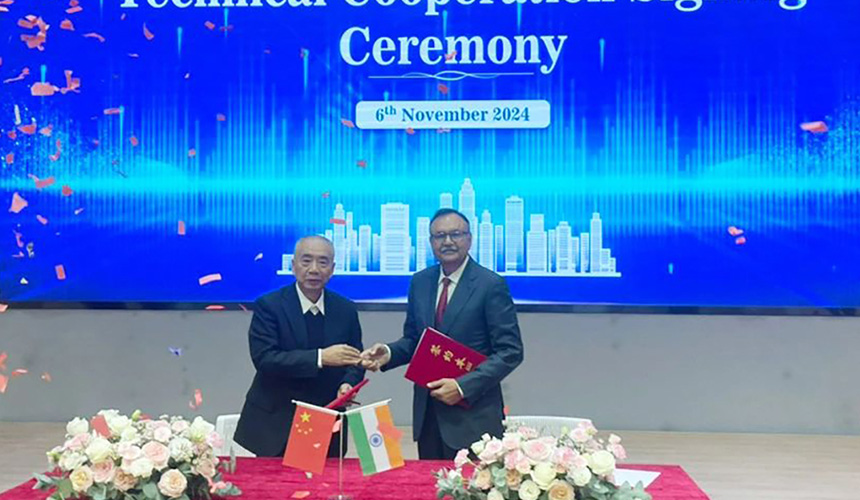
Company News
2024/11/07
Guoli Yuantong signed a cooperation agreement with Indian listed company Sterling ToolsOn November 6, 2024, Guoli Yuantong New Energy Technology Co., Ltd. (hereinafter referred to as "Guoli Yuantong") and Sterling Tools Ltd. (hereinafter referred to as "Sterling") held a signing ceremony in Kunshan, Jiangsu Province.
More Details
-
Company News
2023/12/12
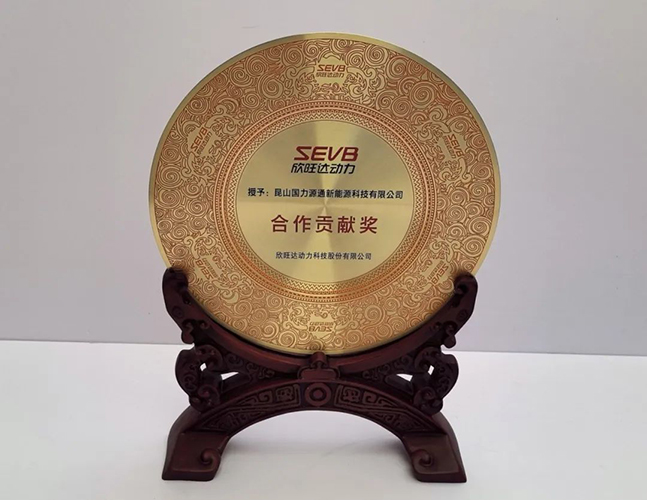
Guoli Yuantong was awarded the 2023 Collaboration Contribution Award by SEVBOn December 9, 2023, Kunshan Guoli Yuantong New Energy Technology Co., Ltd. (referred to as "Guoli Yuantong")
More Details
-

Company News
2023/11/09
Guoli Yuantong Won the "Chinese Heart" 2023 Annual Powertrain Components Gold AwardOn October 27, the 2023 "Chinese Heart" Annual Powertrain Components Evaluation, co-organized by Auto Sports magazine and the School of Automotive Engineering at Shanghai Jiao Tong University, with support from the Government of Gaoyou City, Jiangsu Province, came to a successful conclusion.
More Details
-
Company News
2021/12/31
GLVAC is honored to receive the CATL 2021 Annual Outstanding Supplier AwardAt the moment when the New Year's bells are about to ring, on the last day of 2021, Guoli Yuantong received the most precious New Year’s gift
More Details
-
Company News
2020/03/10
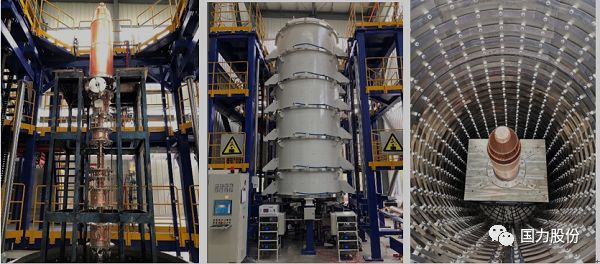
The first prototype of the CEPC 650 MHz klystron successfully completed tests achieving a pulse power of 800 kW and a continuous wave (CW) power of 400 kWOn February 27 and March 7, the first prototype of the 650 MHz klystron for the Circular Electron and Positron Collider (CEPC)
More Details
-
Company News
2018/07/13
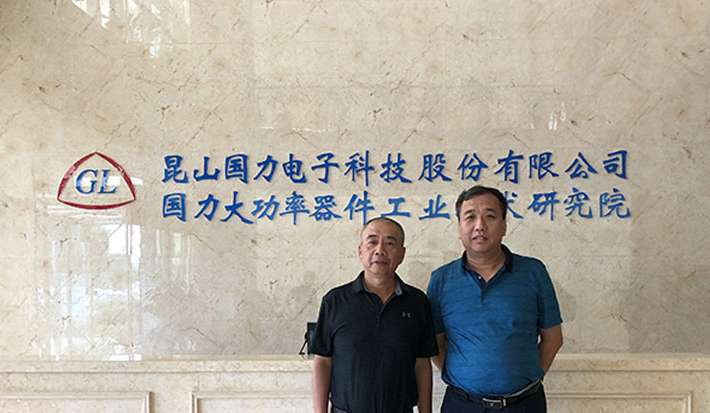
NAURA visits GLVACOn July 12, 2018, Mr. Jinrong Zhao, President and CEO of NAURA Technology Group Co., Ltd., came to visit our company, Mr. Jianping Yin, President of Kunshan GuoLi Electronic Technology Co., Ltd., received and accompanied NAURA team, and both parties had a business negotiation.
More Details


Get Professional Solutions
We are looking forward to engaging with you to explore more solutions for electric vacuum devices.


