





Company News


2025/12/17
As a core device capable of efficiently generating microwave energy, the magnetron has continuously shattered boundaries in energy applications since its inception. By leveraging the synergistic interaction between magnetic and electric fields, magnetrons produce microwaves that possess unique characteristics—deep penetration, thermal effects, and non-thermal effects. These properties enable magnetrons to play an irreplaceable role across diverse industrial sectors such as rubber devulcanization, semiconductor manufacturing, and metal smelting, as well as in everyday domains like food processing and sterilization. From heavy-duty industrial production lines to refined consumer services, high-power magnetrons are reshaping technological pathways across numerous industries.
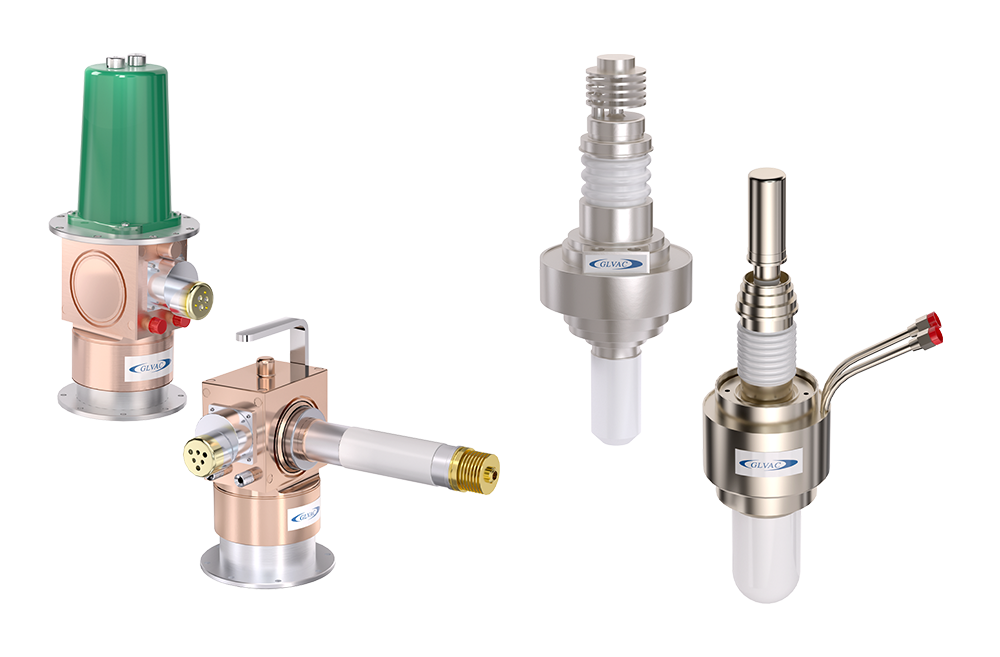
I. Microwave-Driven Innovation in Industrial Manufacturing
01. Rubber Industry
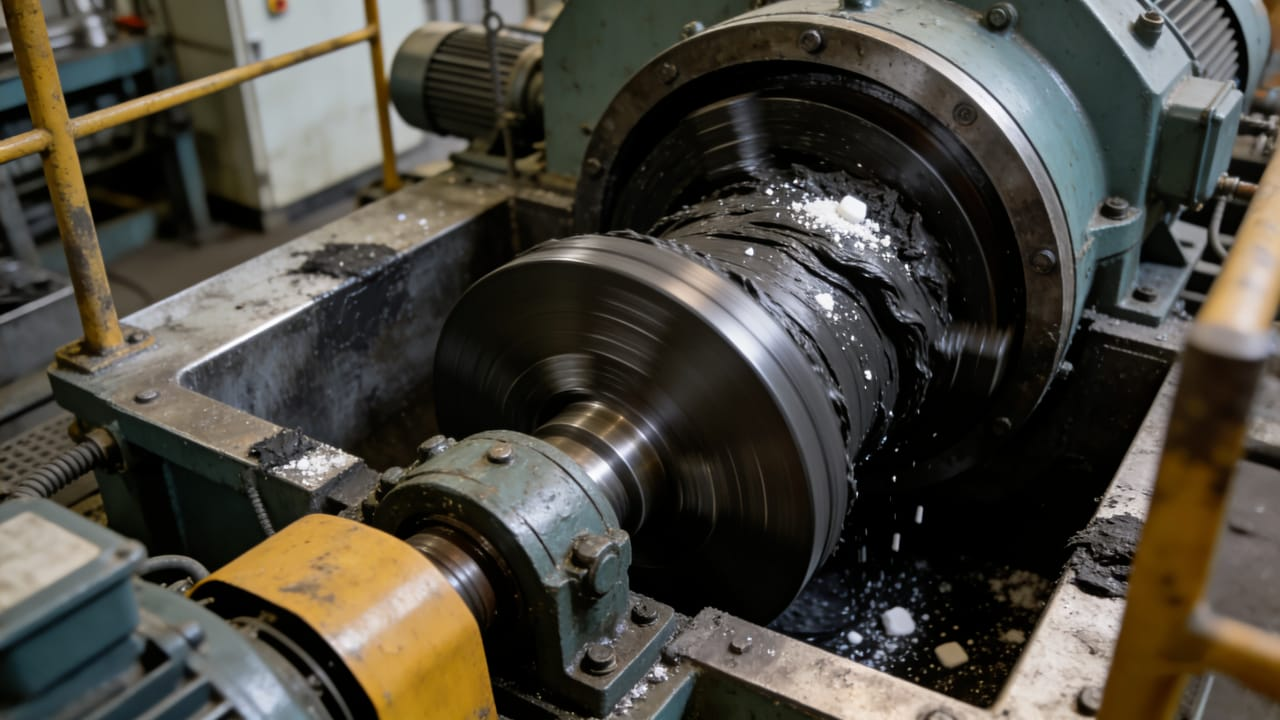
In the rubber industry, traditional vulcanization processes require prolonged heating, resulting in high energy consumption and low efficiency. The application of magnetron technology has transformed this paradigm. Microwaves enable molecular-level, uniform heating of rubber materials, significantly shortening vulcanization time while reducing energy usage. This advancement not only boosts production efficiency but also enhances the physical properties of rubber products—improving wear resistance and elasticity. Consequently, the quality of tires, seals, and industrial belts has markedly improved, delivering tangible benefits to automotive manufacturing and mechanical engineering sectors.
02. Semiconductor Industry
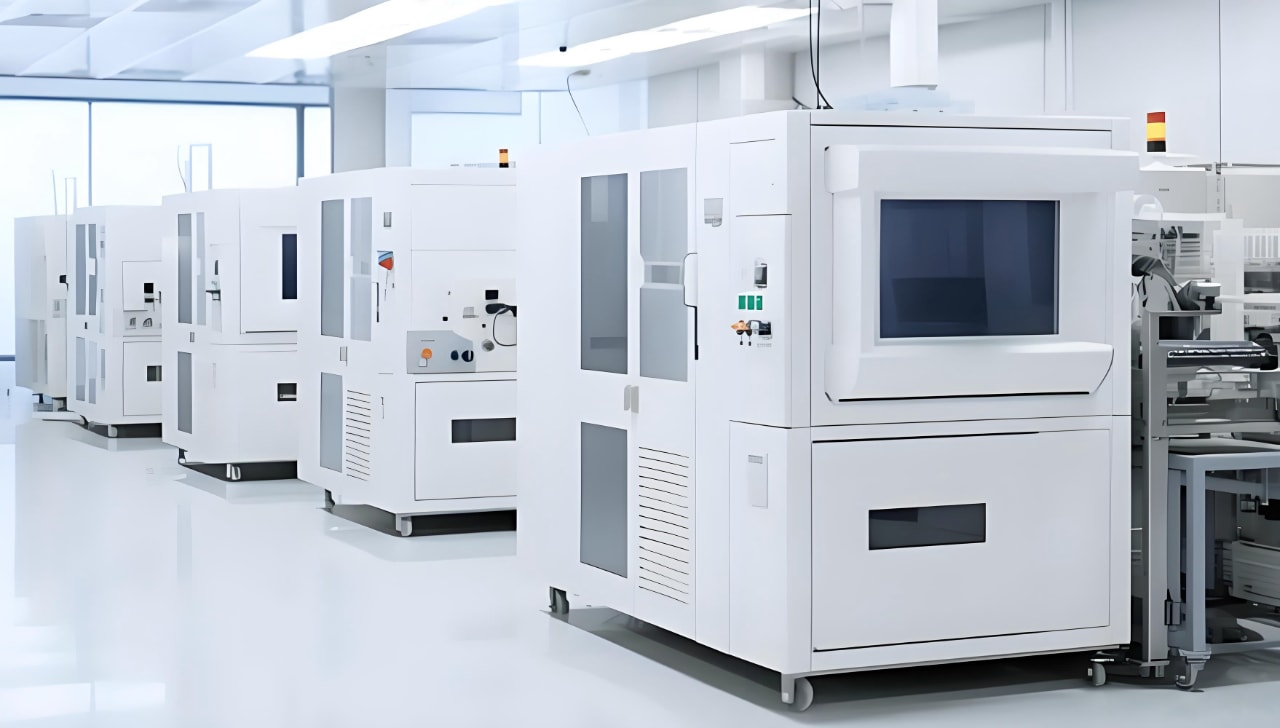
The semiconductor industry demands extreme precision, and magnetron technology offers solutions that meet these stringent requirements. In plasma-enhanced chemical vapor deposition (PECVD) processes, microwaves generated by magnetrons excite gases to produce plasmas, enabling the deposition of films that are exceptionally uniform and dense—critical for fabricating advanced semiconductor chips.
03. Synthetic Diamond Production
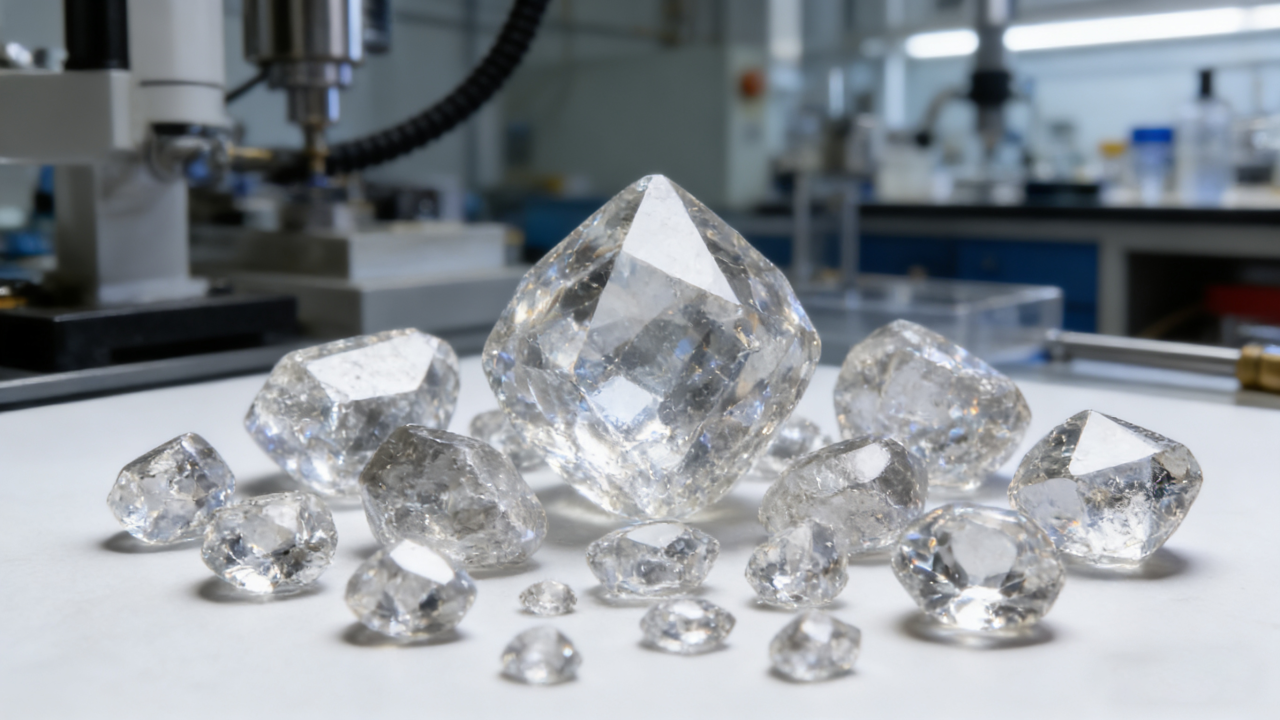
The synthesis of synthetic diamonds exemplifies the outstanding capabilities of magnetron technology. Under high-temperature, high-pressure conditions, microwave plasma chemical vapor deposition (MPCVD) is currently regarded as the optimal method for growing single-crystal diamonds. These synthetic diamonds serve not only the jewelry industry but also play indispensable roles in high-end cutting tools, thermal management materials, and optical components.
II. Microwave Applications in Food and Healthcare
01. Food Industry
Microwave thawing technology addresses the quality degradation issues associated with conventional thawing methods. Microwaves generated by magnetrons penetrate food surfaces, allowing internal ice crystals to absorb energy simultaneously—enabling rapid and uniform defrosting. Compared to air or water thawing, microwave thawing reduces processing time by 70%–90%, significantly lowering the risk of microbial growth while preserving the original flavor and nutritional content of food. This technology is widely adopted in the processing of meat, seafood, and ready-to-eat meals.

02. Drying and Dehydration
Magnetron technology also excels in drying and dehydration applications. Unlike hot-air drying, microwave drying generates heat from within the material, dramatically accelerating moisture migration and shortening drying times. This method is especially suitable for heat-sensitive products such as vegetables, fruits, and traditional Chinese medicinal herbs, effectively preserving their active compounds and natural color.

03. Medical Field
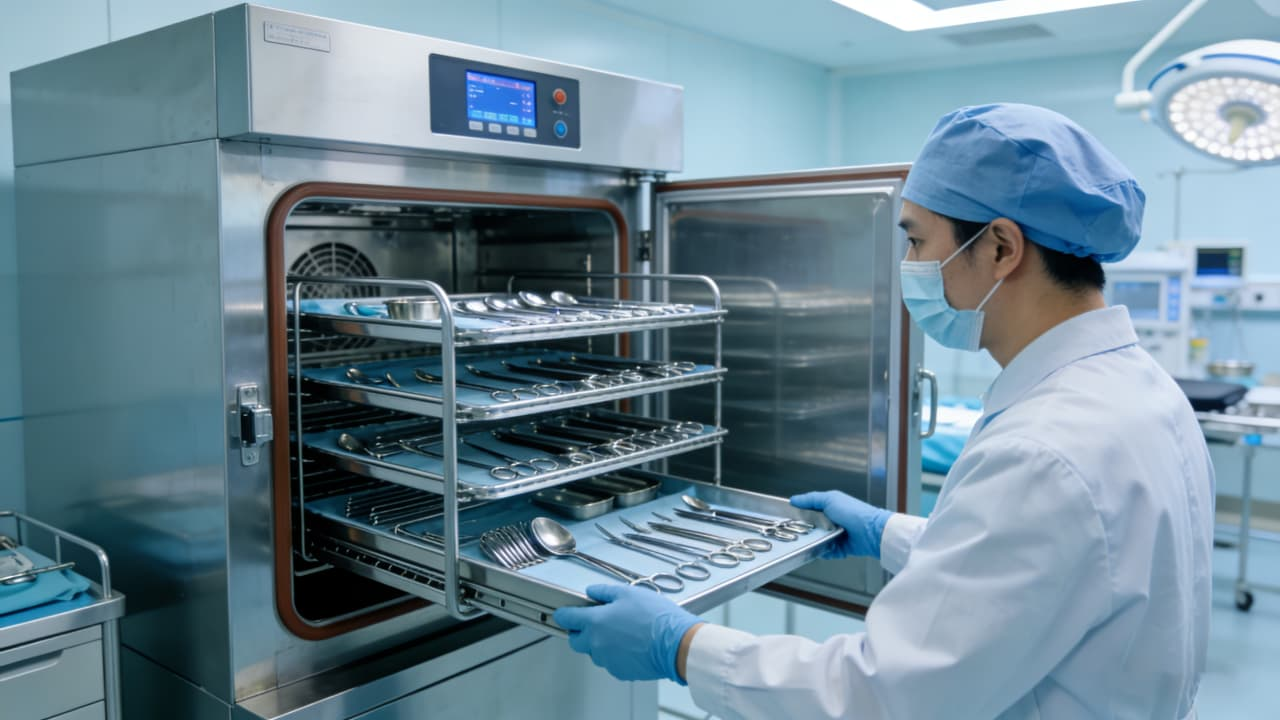
Microwave sterilization represents another critical application of magnetrons in healthcare and food safety, leveraging both thermal and non-thermal effects. The thermal effect refers to the rise in temperature caused by microwave absorption, which achieves sterilization; the non-thermal effect disrupts microbial nutrient cells or damages enzymatic systems within microorganisms, leading to their inactivation or death. Compared to chemical sterilization, microwave sterilization leaves no chemical residues and avoids secondary contamination. In contrast to conventional dry-heat sterilization, it operates in far less time and can penetrate packaging materials, enabling sterilization of sealed items.
With ongoing advances in materials science and electronics, magnetron technology is evolving toward higher efficiency, more precise control, and broader applicability. From facilitating chemical bonding in rubber vulcanization and crystal growth in diamond synthesis, to enabling nanoscale precision in semiconductor fabrication and everyday food thawing, magnetron technology has permeated virtually every facet of modern industry and daily life. As innovation continues, high-power magnetrons will undoubtedly unlock even greater value across emerging fields, driving industrial transformation and enhancing quality of life.
In this era where microwaves are ubiquitous, we are witnessing how a single form of energy is quietly revolutionizing the way we manufacture and live.


Latest News
-


Company News
2026/09/17
Vacuum Relay | Guarding High-Voltage Switching with Ceramic Vacuum SealingIn the electrical world, a switch seems simple—just two actions: making and breaking a circuit.


More Details
-
Company News
2026/08/17
Hydrogen Thyratron | A "Super Switch" Guarding Lives in NanosecondsWhen you step into a hospital's radiotherapy room, a medical linear accelerator is delivering a "precision strike" against cancer.
More Details
-

Company News
2026/07/30
High-Voltage Vacuum Relays | Cross-Industry Empowerment, Safeguarding Daily LifeProducts such as vacuum relays and DC contactors have long stepped out of factory workshops and become closely connected to our daily lives.
More Details
-

Company News
2026/07/20
High-Power Magnetrons | Empowering Diverse Industries with "Hardcore Tech"From high-temperature smelting to precision manufacturing, high-power magnetrons serve as the "energy engines" for industrial scenarios.
More Details
-
Company News
2026/06/15
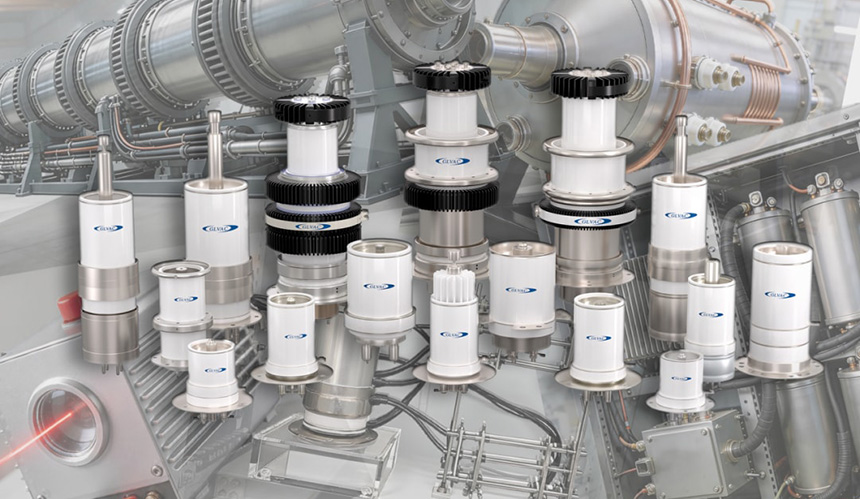
Hydrogen Thyratrons: The Core Switches for High-Peak Pulsed EnergyA hydrogen thyratron is a high-power gas discharge device that serves as a core, high-performance pulsed switch with a switching power reaching up to 10 GW.
More Details
-
Company News
2026/05/20
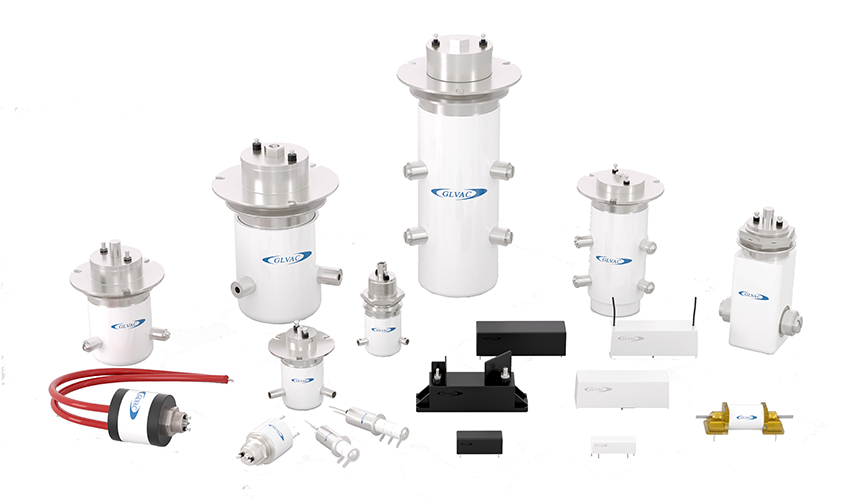
High-Voltage Relays: The Silent Switches of the High-Voltage WorldIn applications involving high voltage and high current, there is an unassuming yet crucial electronic component—the vacuum relay.
More Details
-
Company News
2026/04/02
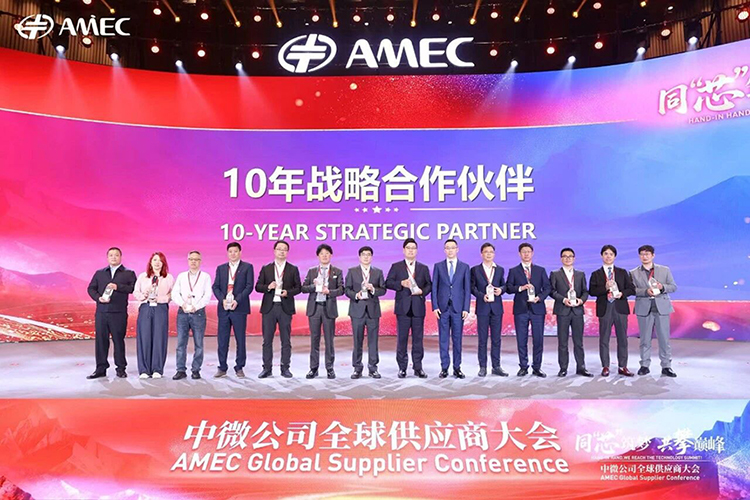
GLVAC was honored with the "10-Year Strategic Partner Award" by AMECOn March 28, the Global Supplier Conference of AMEC (Advanced Micro-Fabrication Equipment Inc. China) was grandly held in Shanghai.
More Details
-

Company News
2026/03/20
GLVAC Research Institute published an article in IEEE Grade-A journalRecently, the team of Li Yongming, Wang Shaozhe, and Zou Jianjun from Kunshan GLVAC Industrial Technology Research Institute of High Power Devices
More Details
-

Company News
2026/03/09
Invitation to SEMICON CHINA 2026Invitation to SEMICON CHINA 2026
More Details
-
Company News
2026/02/09
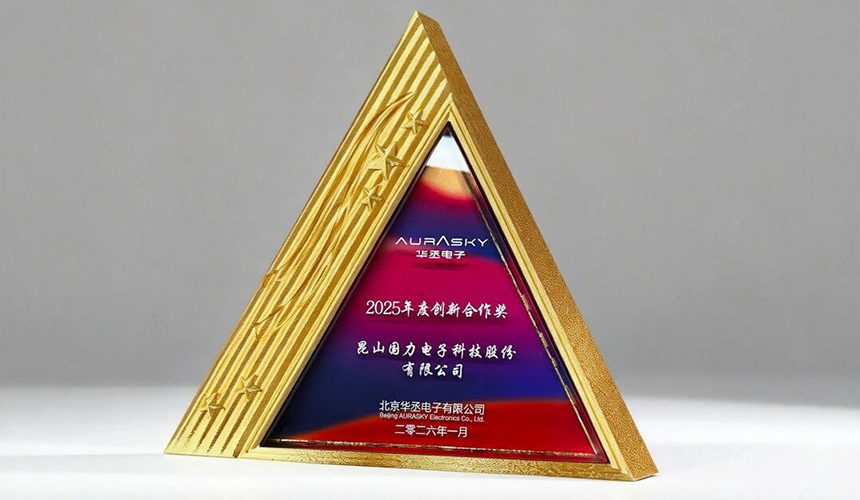
GLVAC Honored with NAURA's "2025 Annual Innovation Partnership Award"Recently, representatives from Beijing Huacheng Electronics Co., Ltd. — a subsidiary of NAURA — visited GLVAC Beijing office in person to present the company with the "2025 Annual Innovation Partnership Award."
More Details
-
Company News
2026/01/31
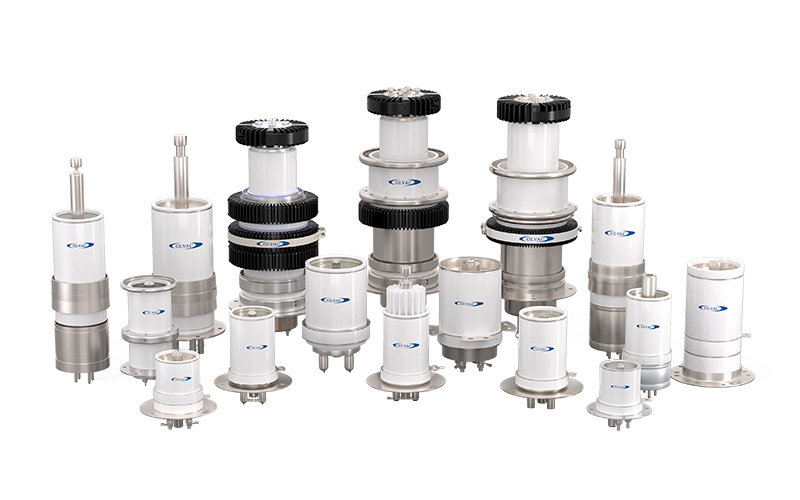
Three Core Vacuum Electronic Devices: Building the Energy Control System for Controlled Nuclear FusionNuclear fusion is fundamentally a reaction in which light atomic nuclei combine under extreme temperatures and pressures to form heavier nuclei, releasing vast amounts of energy.
More Details
-
Company News
2025/12/19
CW Magnetron: A Steady Source of Microwave Energy for Industry and Scientific ResearchIn the evolution of microwave technology, the magnetron has played a pivotal role. Among its various types, the continuous wave (CW) magnetron stands out as a crucial component due to its ability to deliver stable, continuous microwave energy over extended periods.
More Details
-
Company News
2025/12/17
Breaking Through Energy Boundaries: A Comprehensive Overview of High-Power Magnetron Applications Across IndustriesAs a core device capable of efficiently generating microwave energy, the magnetron has continuously shattered boundaries in energy applications since its inception.
More Details
-
Company News
2025/12/08
High-Power Magnetrons Empower Microwave Sources to Unlock New Diamond ApplicationsDiamond, the hardest material in nature, is rapidly expanding into high-end fields such as semiconductor thermal management, power electronics, quantum technologies, and optical devices.
More Details
-
Company News
2025/10/22
Vacuum Interrupter: the core component that ensures reliable operation of the power gridIn the power equipment system, the vacuum Interrupter, as the core component of the vacuum switch, plays an important role in connecting, carrying, and breaking current.
More Details
-
Company News
2025/10/14
Maintenance and use of GLVAC vacuum capacitorsGLVAC ceramic vacuum capacitors have been widely used in modern high-end manufacturing equipment due to their unique performance advantages.
More Details
-

Company News
2025/08/08
GLVAC endows eVTOL with new powerCurrently, the low-altitude economy is experiencing vigorous development, and low-altitude passenger transport is undoubtedly one of its most valuable applications.
More Details
-
Company News
2025/06/12
The world's first P-band high-power metamaterial klystron has been successfully developedOn June 7, 2025, led by the accelerator RF team of the China Spallation Neutron Source (CSNS), GLVAC in collaboration with the research group of Professor Zhaoyun Duan from the School of Electronic Science and Engineering at University of Electronic Science and Technology of China
More Details
-
Company News
2025/04/11
Ruipu Electric showcases its energy storage switch solution at the 13th ESIEOn April 10, 2025, the 13th Energy Storage International Conference And Expo(ESIE2025) grandly kicked off at the Capital International Exhibition Center of China. This exhibition has attracted top energy storage companies from home and abroad to participate, exploring the role of core technologies and system integration in promoting industrial upgr
More Details
-
Company News
2024/11/14
Electronica 2024On November 12th, the highly influential event in the global electronics industry, electronica 2024, grandly opened at the Munich Exhibition Center. GLVAC showcased its star exhibits such as semiconductors, new energy, energy storage, and scientific devices at this exhibition.
More Details
-
Company News
2024/11/07
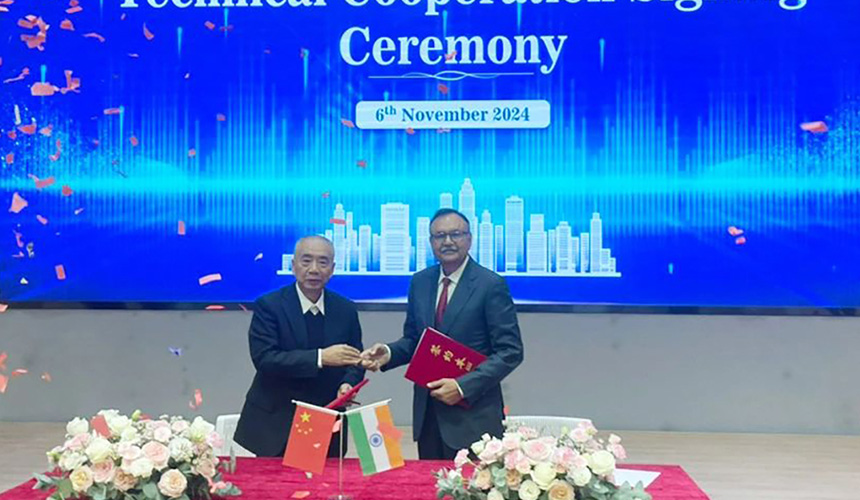
Guoli Yuantong signed a cooperation agreement with Indian listed company Sterling ToolsOn November 6, 2024, Guoli Yuantong New Energy Technology Co., Ltd. (hereinafter referred to as "Guoli Yuantong") and Sterling Tools Ltd. (hereinafter referred to as "Sterling") held a signing ceremony in Kunshan, Jiangsu Province.
More Details
-
Company News
2023/12/12
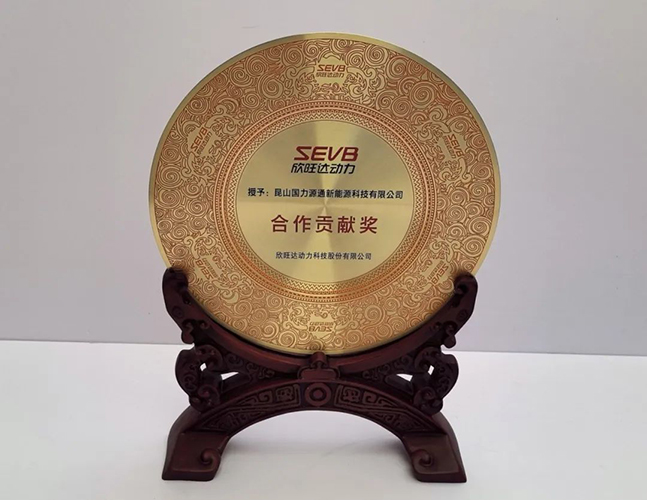
Guoli Yuantong was awarded the 2023 Collaboration Contribution Award by SEVBOn December 9, 2023, Kunshan Guoli Yuantong New Energy Technology Co., Ltd. (referred to as "Guoli Yuantong")
More Details
-

Company News
2023/11/09
Guoli Yuantong Won the "Chinese Heart" 2023 Annual Powertrain Components Gold AwardOn October 27, the 2023 "Chinese Heart" Annual Powertrain Components Evaluation, co-organized by Auto Sports magazine and the School of Automotive Engineering at Shanghai Jiao Tong University, with support from the Government of Gaoyou City, Jiangsu Province, came to a successful conclusion.
More Details
-
Company News
2021/12/31
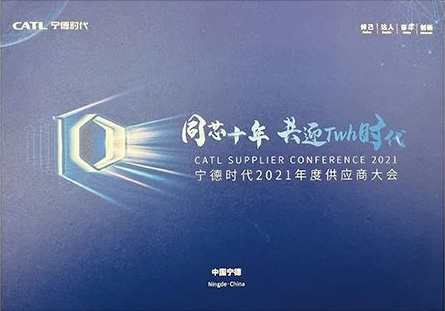
GLVAC is honored to receive the CATL 2021 Annual Outstanding Supplier AwardAt the moment when the New Year's bells are about to ring, on the last day of 2021, Guoli Yuantong received the most precious New Year’s gift
More Details
-
Company News
2020/03/10
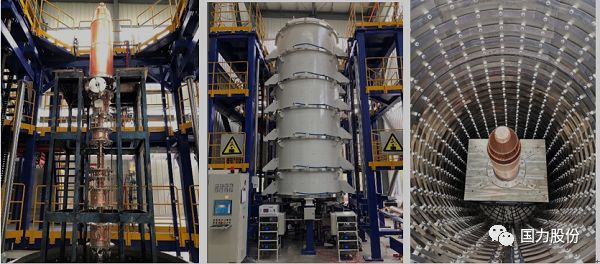
The first prototype of the CEPC 650 MHz klystron successfully completed tests achieving a pulse power of 800 kW and a continuous wave (CW) power of 400 kWOn February 27 and March 7, the first prototype of the 650 MHz klystron for the Circular Electron and Positron Collider (CEPC)
More Details
-

Company News
2018/07/13
NAURA visits GLVACOn July 12, 2018, Mr. Jinrong Zhao, President and CEO of NAURA Technology Group Co., Ltd., came to visit our company, Mr. Jianping Yin, President of Kunshan GuoLi Electronic Technology Co., Ltd., received and accompanied NAURA team, and both parties had a business negotiation.
More Details


Get Professional Solutions
We are looking forward to engaging with you to explore more solutions for electric vacuum devices.


