




Company News


2026/11/06
When you drive past a wind farm and see those massive white blades turning slowly, have you ever wondered: exactly how much electricity can they generate in a single rotation?
PART 01: How Much Power per Revolution?
For a mainstream offshore wind turbine, one full rotation of the blades generates approximately 2 to 3 kWh of electricity. Onshore turbines are slightly smaller, producing roughly 1 to 2 kWh per rotation.
To put this in perspective: a single rotation can charge your smartphone 200 times or run an air conditioner for an hour. But before you marvel at these numbers, consider what truly matters—not just how much power is generated per turn, but how this electricity is safely and stably transmitted from a nacelle dozens of meters in the air to the power grid.
The answer lies in an unexpected place: the converter system inside the turbine nacelle. And within this system, there is a critical component that determines whether wind power can be effectively utilized.
It is called the AC Contactor.

PART 02: The Pain Point of Wind Power
Wind is inherently unpredictable. What is the biggest challenge of wind power? Wind speeds fluctuate constantly, and directions shift frequently, causing the generator's rotational speed to surge and drop. For the power grid, this instability is a nightmare.
Household appliances are designed for a voltage of 220V and a frequency of 50Hz. If the voltage fluctuates wildly, appliances may malfunction or even burn out. Therefore, the core challenge for wind turbines is: no matter how the wind changes, the output voltage and frequency must remain rock-solid.
This requires a sophisticated "power translation system"—the wind power converter.
Here is how it works: the turbine blades turn the generator to produce electricity (usually unstable AC). The converter first rectifies this unstable AC into DC, then inverts the DC back into standard AC with stable frequency and voltage, before finally feeding it into the grid for distribution.
During this "translation" process, the current path needs to be switched frequently. Deciding when to charge, when to discharge, and which path to take—these commands are executed by the AC Contactor.
PART 03: The Contactor as a Traffic Cop
If the wind power conversion system is a massive highway hub, the generator is the busy entrance, the grid is the final destination, and the current represents the flowing traffic. The AC Contactor acts as the traffic cop at the intersection, directing which vehicles take which lanes, when to proceed, and when to stop.
During turbine operation, the contactor must perform several critical tasks:
Main Circuit Switching: Reliably connecting or disconnecting the main circuit during turbine startup and shutdown.Grid Connection: Closing the circuit to connect the turbine to the grid once wind speeds meet the required conditions.Fault Protection: Instantly breaking the circuit upon detecting anomalies like overcurrent, overvoltage, or short circuits to protect the equipment.Pre-charge Control: Controlling the pre-charge circuit before the converter starts up.
These operations may sound simple, but at voltage levels exceeding 1000V and currents of hundreds of amperes, every single "switch" involves complex technology.
The key question is: How do you ensure there is no "arcing" during switching?

PART 04: Arcing, the Silent Killer
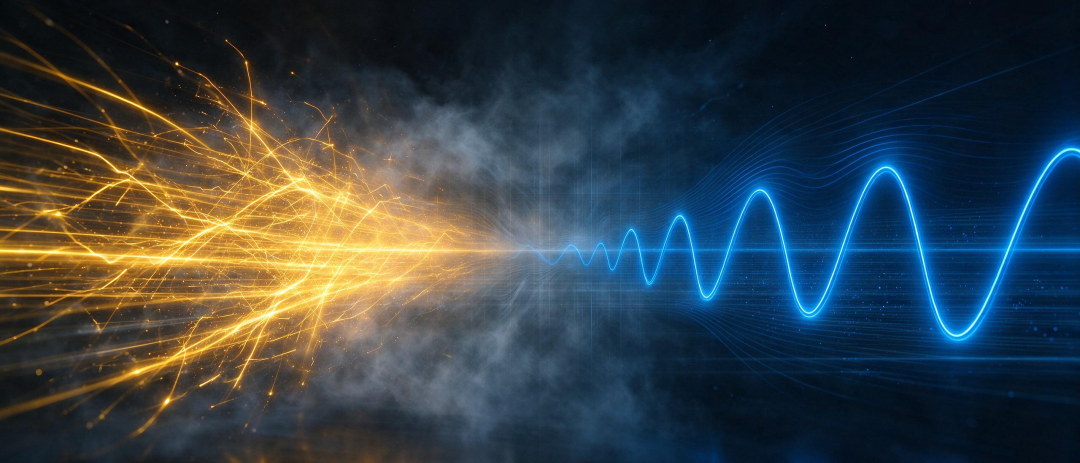
Have you ever seen a spark when unplugging a device at home? That is an electric arc.
In a 220V household circuit, a small arc might just startle you. But inside a wind turbine, with voltages in the thousands and currents in the hundreds, the consequences of arcing are catastrophic. Arc temperatures can reach thousands of degrees, enough to melt metal contacts, burn insulation, and ignite surrounding equipment. Once formed, they are extremely difficult to extinguish.
Therefore, the core standard for judging an AC contactor is simple: How strong is its arc-quenching capability?
This is where GLVAC's AC contactors excel.

PART 05: Vacuum Arc Quenching, the Reliable Solution
The core technology behind GLVAC's AC contactor is Vacuum Arc Quenching. The principle is straightforward, but perfecting it is a challenge.
GLVAC encapsulates the contacts and arc-quenching structure within a high-vacuum ceramic chamber. A vacuum environment contains virtually no gas molecules. This means when the contacts separate and attempt to form an arc, there is no ionizable medium in the vacuum. The arc is instantly "suffocated," much like a person thrown into the oxygen-deprived vacuum of space.

This vacuum arc-quenching technology offers several key advantages:
Strong Breaking Capacity: Regardless of high voltage or high current, the vacuum arc-quenching chamber performs the breaking task cleanly and efficiently. Guoli's AC contactors demonstrate stable performance under high-voltage, high-current conditions, fully meeting the stringent demands of wind power conversion systems.No External Arcing: Because the arc-quenching process is completely sealed within the vacuum chamber, there is no flame spray or leakage of ionized gas. For turbines installed dozens of meters in the air where maintenance is difficult, this significantly enhances safety.Stable Performance & Long Lifespan: In a vacuum, contacts are not oxidized and suffer minimal wear. Guoli's AC contactors can withstand hundreds of thousands of frequent operations, meeting the demands of wind power's "stop-and-go" switching nature.Adaptability to Harsh Environments: Offshore turbines face salt spray corrosion, while onshore turbines encounter sandstorms and extreme temperature differences. Guoli's sealed vacuum structure is completely "immune" to these external environments.
PART 06: Rooted in Wind Farms, Accompanied by GLVAC
You might wonder, how much impact can a single contactor have? With so many components in a wind farm, is one missing contactor really a big deal?
The reality is—a single large wind turbine may require dozens of AC contactors, distributed across critical circuits in the conversion, yaw, pitch, and cooling systems. They form an invisible safety net ensuring the smooth operation of the entire turbine.
With their strong breaking capacity, high operating voltage, sealed arc-quenching, and stable performance, GLVAC's AC contactors have been applied in batches across numerous wind power projects. From onshore wind farms in Inner Mongolia to offshore wind bases in Fujian, GLVAC's products are providing the foundational support for China's wind power industry.

PART 07: Blades Turn, Switches Protect
How much electricity does a wind turbine generate per revolution? 2 kWh. 3 kWh. This number will continue to grow with technological advancements.
But even more important than the generation volume is ensuring that every kilowatt-hour is delivered safely, stably, and efficiently to where it is needed.

The electricity generated by a single turn of the blades must pass through dozens of "relay switches" before it becomes the charging icon on your smartphone screen.
And GLVAC has been the silent expert behind these "switches" for 60 years.


Latest News
-


Company News
2026/11/16
Can Lab-Grown Diamonds Really “Grow”? The Microwave Source Behind It Is a Big DealSpending a few thousand yuan to buy a diamond “grown” in a lab is gradually becoming a new consumption trend among young people. But many people are curious: how exactly do these sparkling lab-grown diamonds take shape in the laboratory?


More Details
-

Company News
2026/11/06
How Much Electricity Does a Wind Turbine Generate per Revolution? The Secret Lies in the "Switch"When you drive past a wind farm and see those massive white blades turning slowly, have you ever wondered: exactly how much electricity can they generate in a single rotation?
More Details
-
Company News
2026/10/26
AI Empowerment · Intelligent Manufacturing for the Future | GLVAC Industrial AI Platform Launch Event
More Details
-
Company News
2026/09/30
Vacuum Capacitors | The "Invisible Dispatcher" in the High-Frequency WorldOpen up a piece of high-end manufacturing equipment, and you will find radio frequency (RF) power supplies, matching networks, and control systems densely packed together.
More Details
-
Company News
2026/09/17
Vacuum Relay | Guarding High-Voltage Switching with Ceramic Vacuum SealingIn the electrical world, a switch seems simple—just two actions: making and breaking a circuit.
More Details
-
Company News
2026/08/19
Hydrogen Thyratron | A "Super Switch" Guarding Lives in NanosecondsWhen you step into a hospital's radiotherapy room, a medical linear accelerator is delivering a "precision strike" against cancer.
More Details
-
Company News
2026/08/12
High-Power Industrial Magnetrons | The Invisible Energy Engine Quietly Transforming Your Daily LifeMost people's understanding of "microwaves" begins with the household microwave oven. Once turned on, the turntable spins, and breakfast is heated in moments.
More Details
-

Company News
2026/07/30
High-Voltage Vacuum Relays | Cross-Industry Empowerment, Safeguarding Daily LifeProducts such as vacuum relays and DC contactors have long stepped out of factory workshops and become closely connected to our daily lives.
More Details
-
Company News
2026/07/20
High-Power Magnetrons | Empowering Diverse Industries with "Hardcore Tech"From high-temperature smelting to precision manufacturing, high-power magnetrons serve as the "energy engines" for industrial scenarios.
More Details
-
Company News
2026/06/15
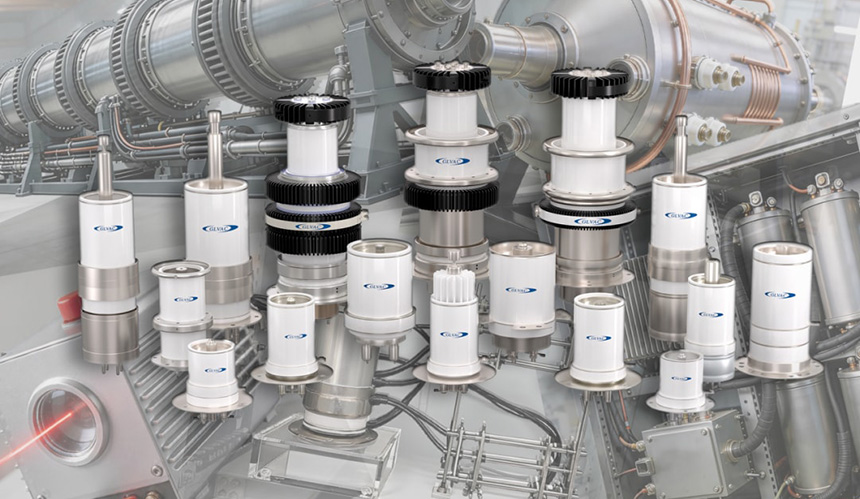
Hydrogen Thyratrons: The Core Switches for High-Peak Pulsed EnergyA hydrogen thyratron is a high-power gas discharge device that serves as a core, high-performance pulsed switch with a switching power reaching up to 10 GW.
More Details
-
Company News
2026/05/20
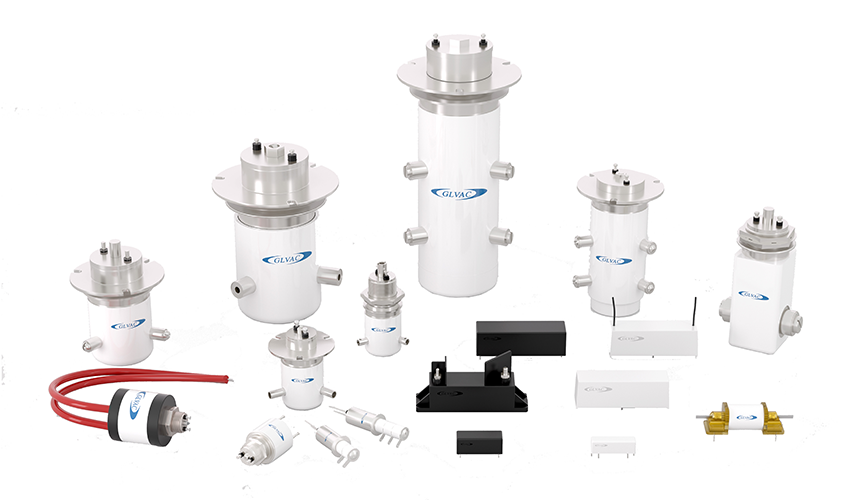
High-Voltage Relays: The Silent Switches of the High-Voltage WorldIn applications involving high voltage and high current, there is an unassuming yet crucial electronic component—the vacuum relay.
More Details
-
Company News
2026/04/02
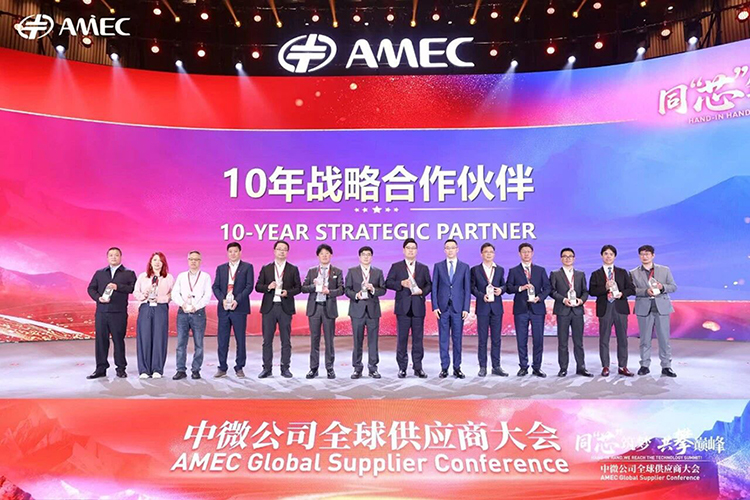
GLVAC was honored with the "10-Year Strategic Partner Award" by AMECOn March 28, the Global Supplier Conference of AMEC (Advanced Micro-Fabrication Equipment Inc. China) was grandly held in Shanghai.
More Details
-

Company News
2026/03/20
GLVAC Research Institute published an article in IEEE Grade-A journalRecently, the team of Li Yongming, Wang Shaozhe, and Zou Jianjun from Kunshan GLVAC Industrial Technology Research Institute of High Power Devices
More Details
-

Company News
2026/03/09
Invitation to SEMICON CHINA 2026Invitation to SEMICON CHINA 2026
More Details
-
Company News
2026/02/09
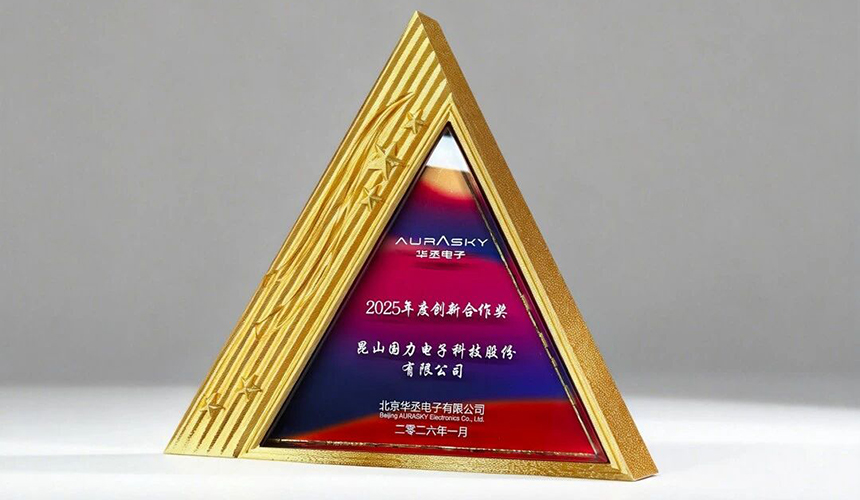
GLVAC Honored with NAURA's "2025 Annual Innovation Partnership Award"Recently, representatives from Beijing Huacheng Electronics Co., Ltd. — a subsidiary of NAURA — visited GLVAC Beijing office in person to present the company with the "2025 Annual Innovation Partnership Award."
More Details
-
Company News
2026/01/31
Three Core Vacuum Electronic Devices: Building the Energy Control System for Controlled Nuclear FusionNuclear fusion is fundamentally a reaction in which light atomic nuclei combine under extreme temperatures and pressures to form heavier nuclei, releasing vast amounts of energy.
More Details
-
Company News
2025/12/19
CW Magnetron: A Steady Source of Microwave Energy for Industry and Scientific ResearchIn the evolution of microwave technology, the magnetron has played a pivotal role. Among its various types, the continuous wave (CW) magnetron stands out as a crucial component due to its ability to deliver stable, continuous microwave energy over extended periods.
More Details
-
Company News
2025/12/17
Breaking Through Energy Boundaries: A Comprehensive Overview of High-Power Magnetron Applications Across IndustriesAs a core device capable of efficiently generating microwave energy, the magnetron has continuously shattered boundaries in energy applications since its inception.
More Details
-
Company News
2025/12/08
High-Power Magnetrons Empower Microwave Sources to Unlock New Diamond ApplicationsDiamond, the hardest material in nature, is rapidly expanding into high-end fields such as semiconductor thermal management, power electronics, quantum technologies, and optical devices.
More Details
-
Company News
2025/10/22
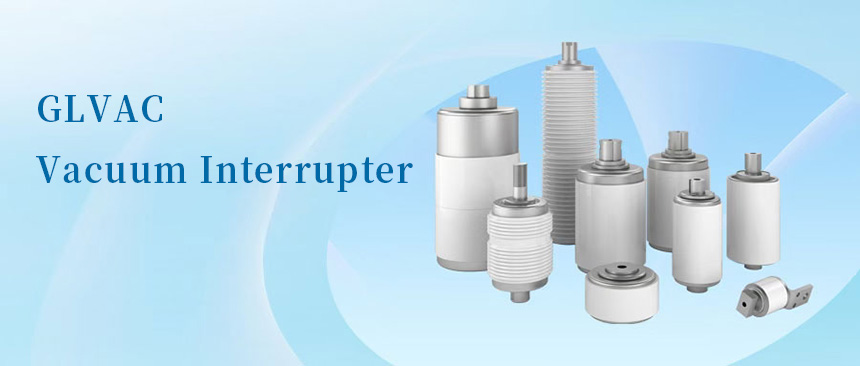
Vacuum Interrupter: the core component that ensures reliable operation of the power gridIn the power equipment system, the vacuum Interrupter, as the core component of the vacuum switch, plays an important role in connecting, carrying, and breaking current.
More Details
-
Company News
2025/10/14
Maintenance and use of GLVAC vacuum capacitorsGLVAC ceramic vacuum capacitors have been widely used in modern high-end manufacturing equipment due to their unique performance advantages.
More Details
-
Company News
2025/08/08
GLVAC endows eVTOL with new powerCurrently, the low-altitude economy is experiencing vigorous development, and low-altitude passenger transport is undoubtedly one of its most valuable applications.
More Details
-
Company News
2025/06/12
The world's first P-band high-power metamaterial klystron has been successfully developedOn June 7, 2025, led by the accelerator RF team of the China Spallation Neutron Source (CSNS), GLVAC in collaboration with the research group of Professor Zhaoyun Duan from the School of Electronic Science and Engineering at University of Electronic Science and Technology of China
More Details
-
Company News
2025/04/11
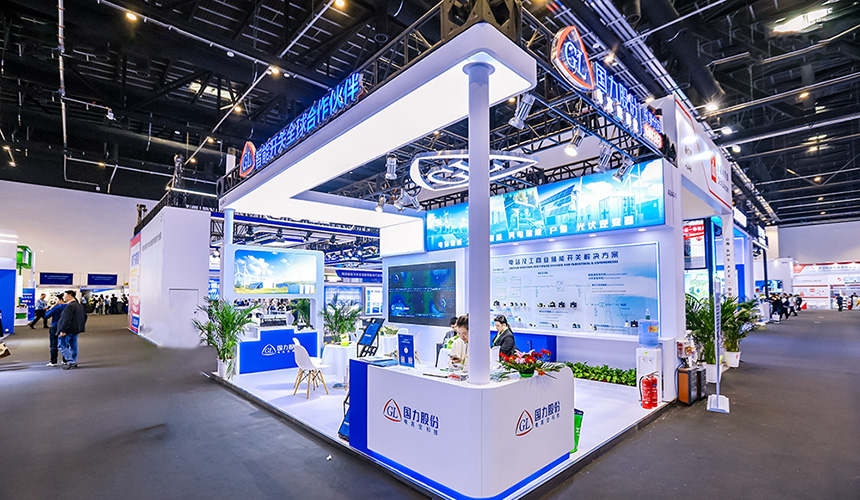
Ruipu Electric showcases its energy storage switch solution at the 13th ESIEOn April 10, 2025, the 13th Energy Storage International Conference And Expo(ESIE2025) grandly kicked off at the Capital International Exhibition Center of China. This exhibition has attracted top energy storage companies from home and abroad to participate, exploring the role of core technologies and system integration in promoting industrial upgr
More Details
-
Company News
2024/11/14
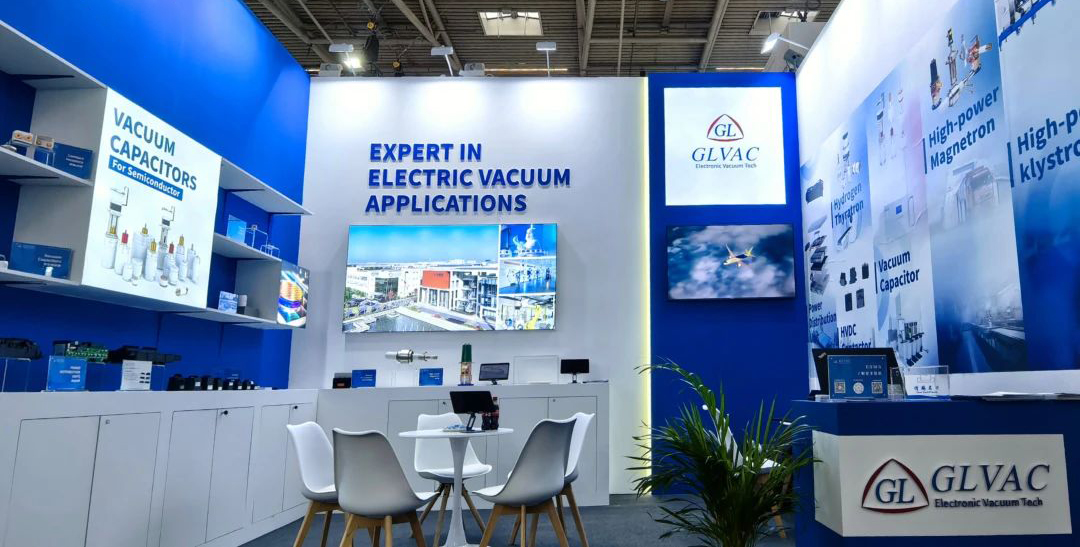
Electronica 2024On November 12th, the highly influential event in the global electronics industry, electronica 2024, grandly opened at the Munich Exhibition Center. GLVAC showcased its star exhibits such as semiconductors, new energy, energy storage, and scientific devices at this exhibition.
More Details
-
Company News
2024/11/07
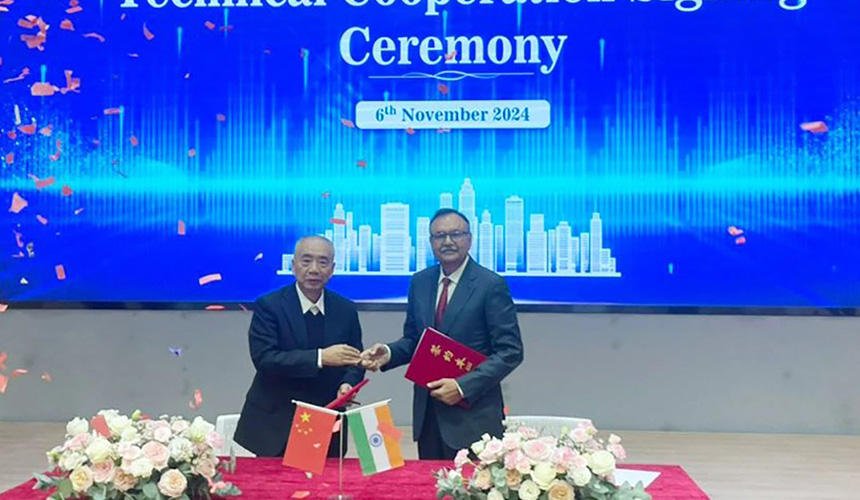
Guoli Yuantong signed a cooperation agreement with Indian listed company Sterling ToolsOn November 6, 2024, Guoli Yuantong New Energy Technology Co., Ltd. (hereinafter referred to as "Guoli Yuantong") and Sterling Tools Ltd. (hereinafter referred to as "Sterling") held a signing ceremony in Kunshan, Jiangsu Province.
More Details
-
Company News
2023/12/12
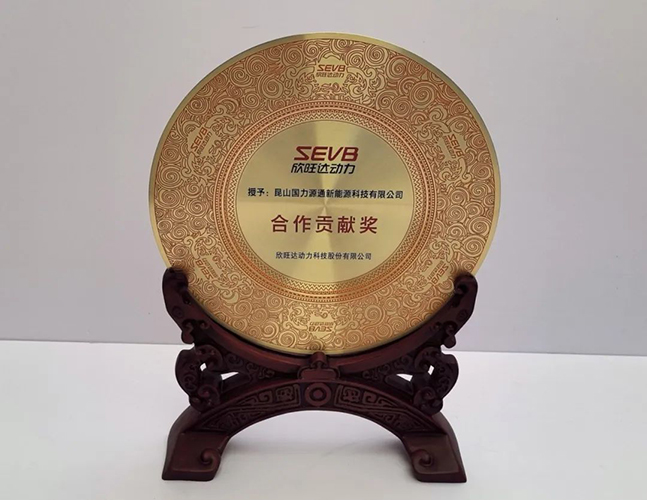
Guoli Yuantong was awarded the 2023 Collaboration Contribution Award by SEVBOn December 9, 2023, Kunshan Guoli Yuantong New Energy Technology Co., Ltd. (referred to as "Guoli Yuantong")
More Details
-

Company News
2023/11/09
Guoli Yuantong Won the "Chinese Heart" 2023 Annual Powertrain Components Gold AwardOn October 27, the 2023 "Chinese Heart" Annual Powertrain Components Evaluation, co-organized by Auto Sports magazine and the School of Automotive Engineering at Shanghai Jiao Tong University, with support from the Government of Gaoyou City, Jiangsu Province, came to a successful conclusion.
More Details
-
Company News
2021/12/31
GLVAC is honored to receive the CATL 2021 Annual Outstanding Supplier AwardAt the moment when the New Year's bells are about to ring, on the last day of 2021, Guoli Yuantong received the most precious New Year’s gift
More Details
-
Company News
2020/03/10
The first prototype of the CEPC 650 MHz klystron successfully completed tests achieving a pulse power of 800 kW and a continuous wave (CW) power of 400 kWOn February 27 and March 7, the first prototype of the 650 MHz klystron for the Circular Electron and Positron Collider (CEPC)
More Details
-

Company News
2018/07/13
NAURA visits GLVACOn July 12, 2018, Mr. Jinrong Zhao, President and CEO of NAURA Technology Group Co., Ltd., came to visit our company, Mr. Jianping Yin, President of Kunshan GuoLi Electronic Technology Co., Ltd., received and accompanied NAURA team, and both parties had a business negotiation.
More Details


Get Professional Solutions
We are looking forward to engaging with you to explore more solutions for electric vacuum devices.


